Costa Rica
Rainforest-draped Pacific coastline, volcanic hot springs, and a new wave of luxury lodges redefining tropical travel.
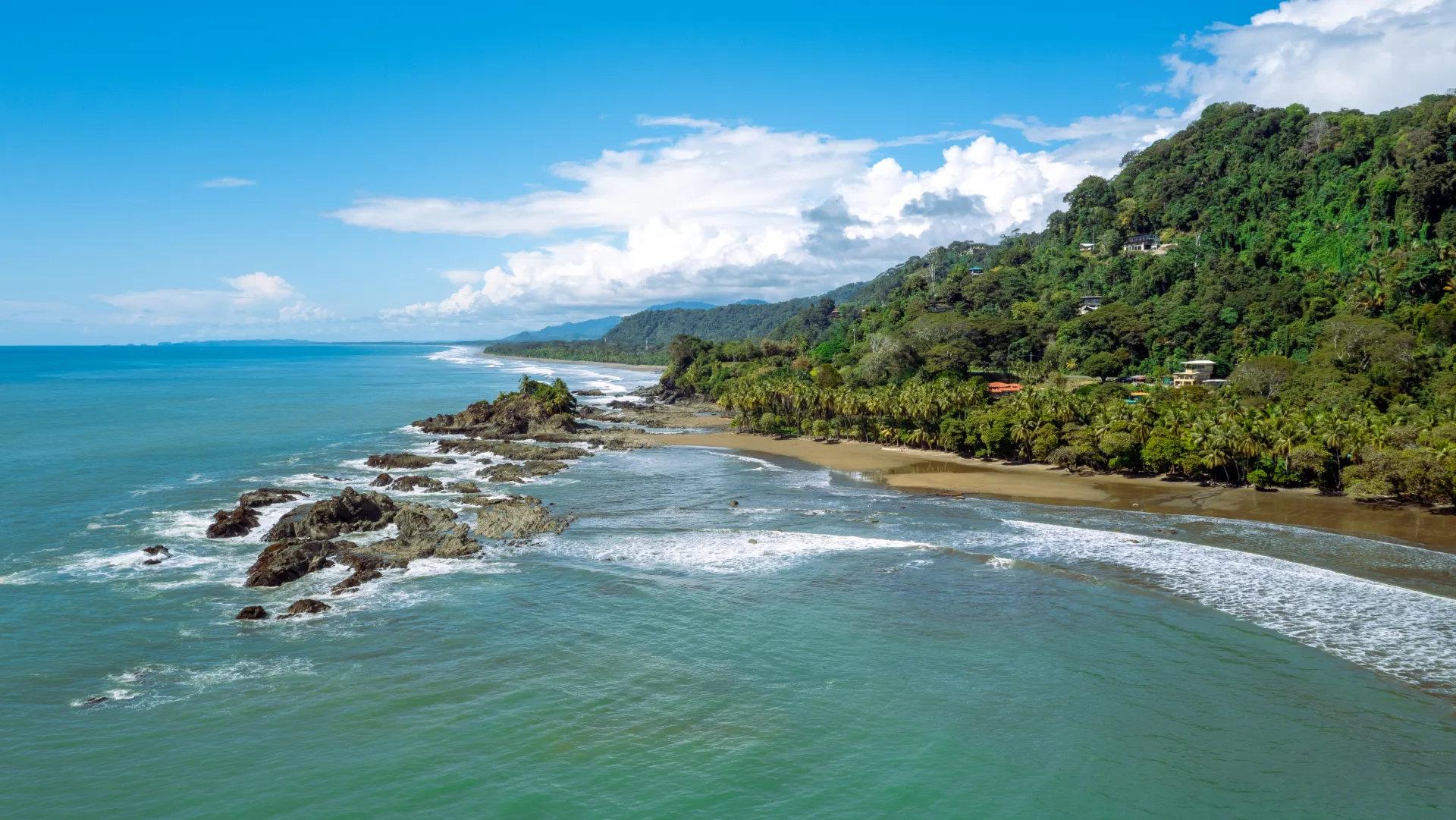
Costa Rica has quietly become one of the world's most compelling luxury destinations. The country that pioneered ecotourism in the 1990s has evolved far beyond its backpacker roots: today, the Pacific coast is home to some of Central America's finest hotels, the Guanacaste peninsula hosts world-class wellness retreats, and the volcanic highlands shelter boutique lodges that rival anything in Southeast Asia for design and service.
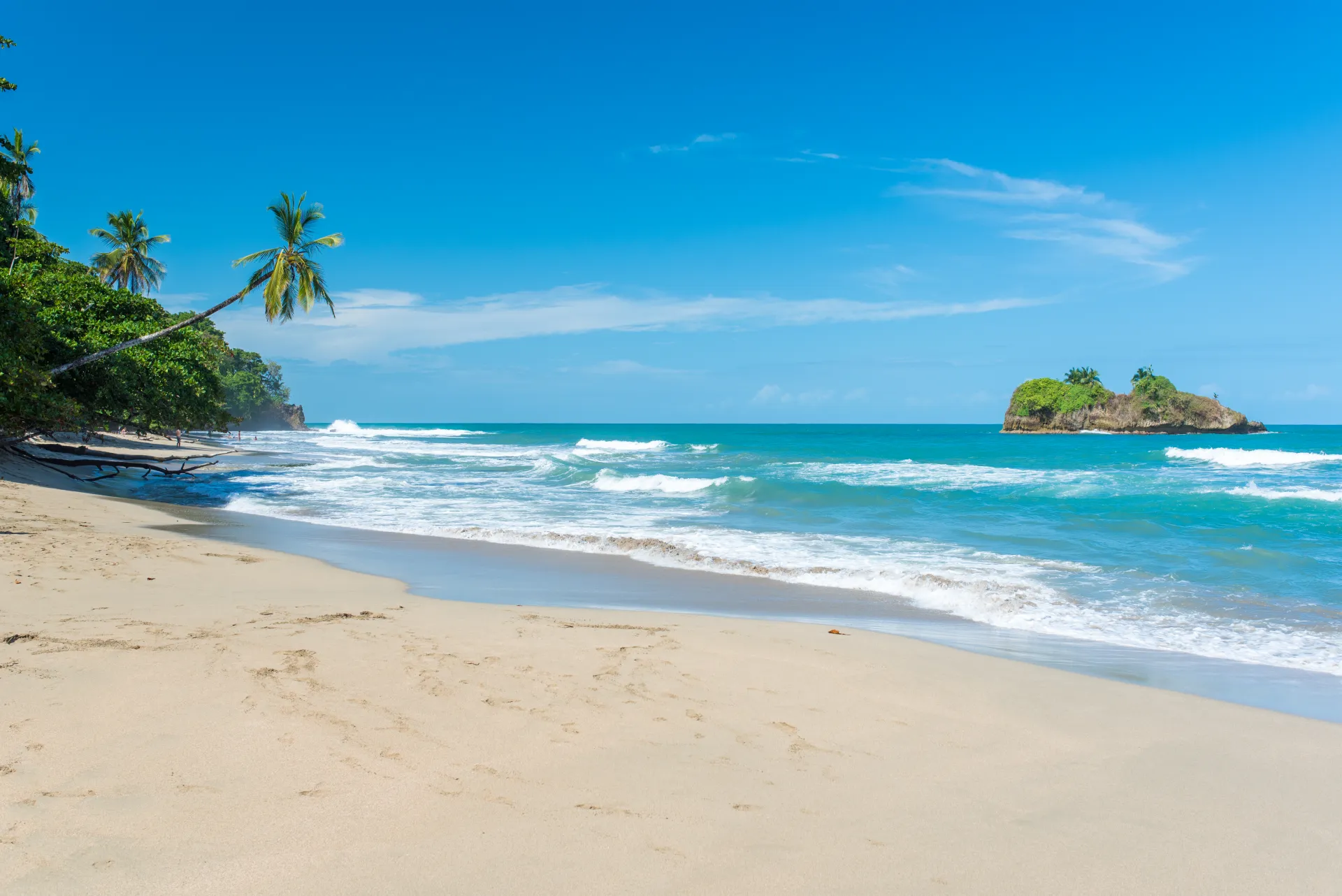
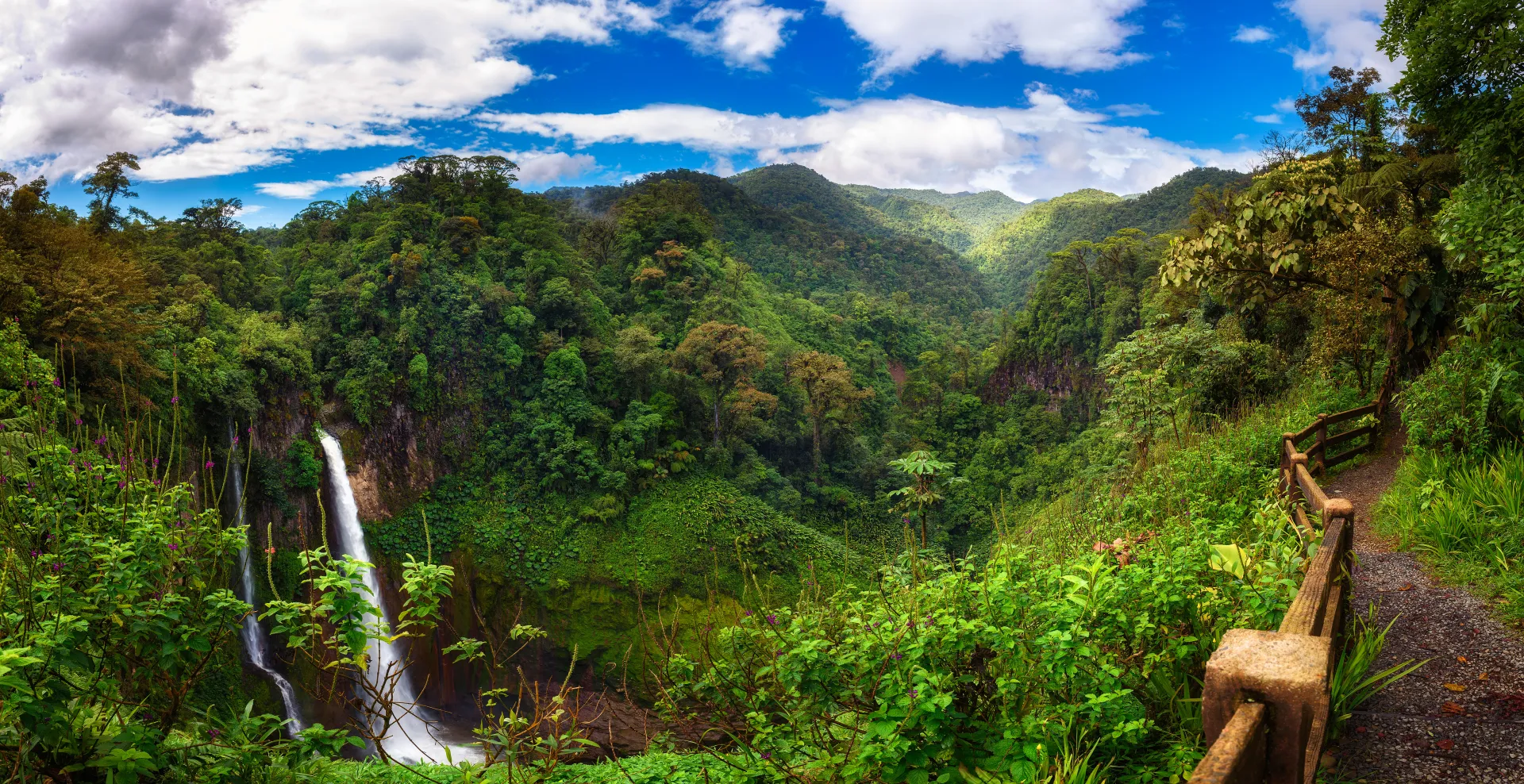
Costa Rica's appeal lies in the density and variety of its landscapes. Within a single week you can wake to howler monkeys in a rainforest canopy suite, spend the afternoon on a deserted Pacific beach, soak in volcanic hot springs beneath a starlit sky, and watch sea turtles nest on a Caribbean shore. Few countries pack so much natural drama into such a compact geography. The entire nation is smaller than Scotland.
The luxury infrastructure has caught up to the scenery. Peninsula Papagayo, the Four Seasons-anchored resort community on Guanacaste's northern tip, sets the standard for five-star Pacific coast living. Further south, the Osa Peninsula, home to Lapa Rios and a handful of exclusive eco-lodges, offers some of the most biodiverse rainforest on Earth, accessible only by small plane or boat. In between, Nosara has evolved from a surf village into a sophisticated wellness destination, while Manuel Antonio balances pristine national park beaches with polished boutique hotels. The where to stay guide covers the best regions and lodges.
The country's commitment to sustainability is not marketing. It is policy. Over 98 percent of Costa Rica's electricity comes from renewable sources, a quarter of the landmass is protected national park or reserve, and the government has set a legally binding target for carbon neutrality. For travellers who want luxury without environmental guilt, this matters.
Getting here is straightforward. Direct flights from Miami take just three hours; New York and Los Angeles connect in five to six. The international airports at San José and Liberia (Guanacaste) serve as gateways, with domestic flights and private transfers covering the short hops to coastal destinations. The country uses the US dollar alongside the colón, English is widely spoken in tourism areas, and the infrastructure is the most reliable in Central America.

Explore Costa Rica


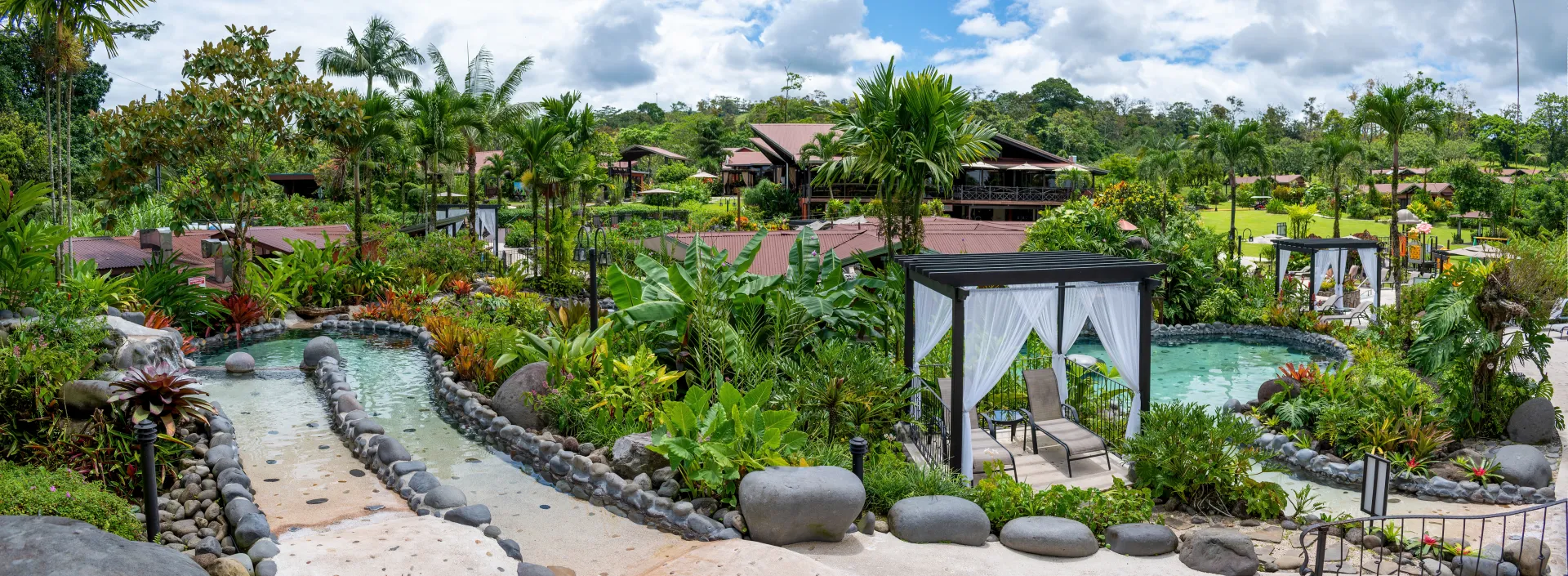
Costa Rica Directory
Curated restaurants, hotels, beaches, and villas in Costa Rica.
Restaurant
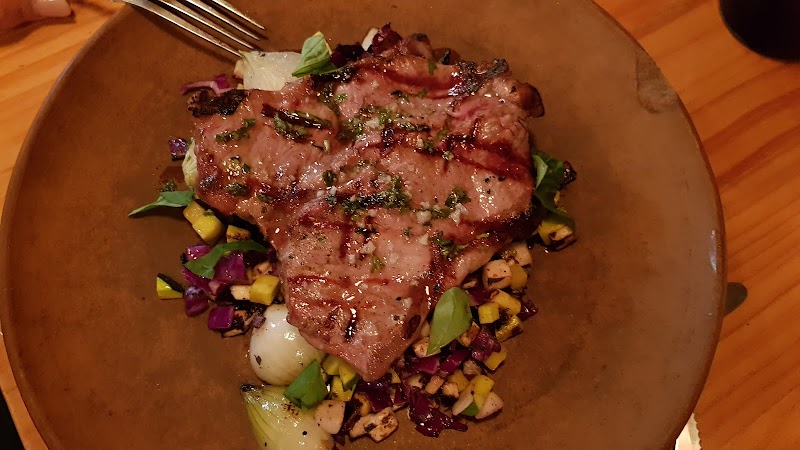
Al Mercat
Al Mercat brings Barcelona-trained technique to Costa Rican ingredients with a confidence that has made it one of the capital's most consistently excellent restaurants. Chef-driven and farm-focused, the kitchen leans on produce from its own growers, and the format is Mediterranean-inspired sharing plates: burrata with Central Valley tomatoes and basil, grilled prawns with romesco, suckling pig with apple and fennel.
Hotel
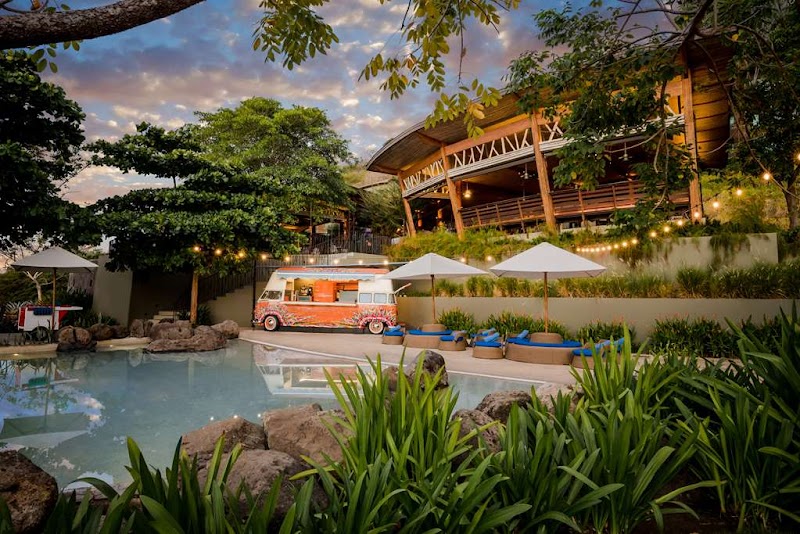
Andaz Papagayo
Hyatt's Andaz brand brings a younger, more design-forward sensibility to Peninsula Papagayo. The property sits lower on the landform than its Four Seasons neighbour, with direct access to Nacascolo beach and a markedly more informal atmosphere. Concrete, wood, and local stone combine in a contemporary tropical aesthetic, and the curated art collection through the public spaces gives it a gallery-like character.
Restaurant
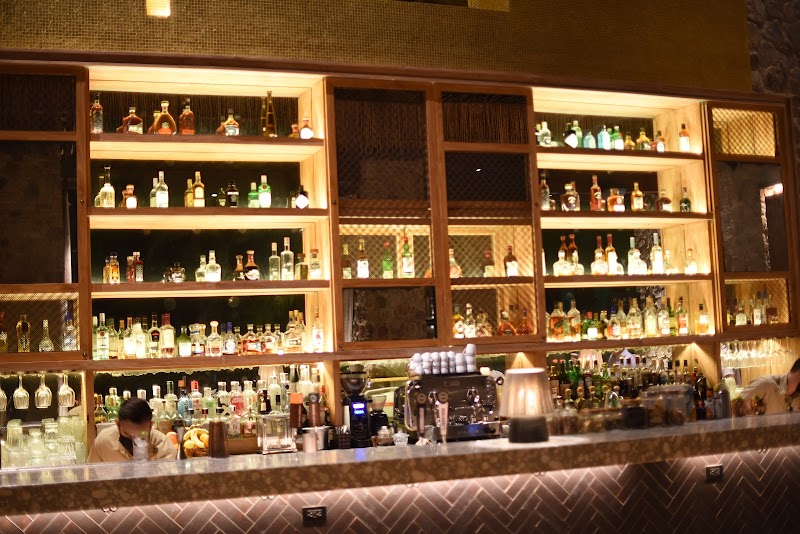
Añejo
Where Caracol aims for refinement, Añejo delivers a more relaxed but equally accomplished experience centred on Mexican and coastal Latin American cooking. The setting is casual-elegant: open fire, hanging copper pans, and a mezcal bar that ranks among Central America's best.
Restaurant
Árbol
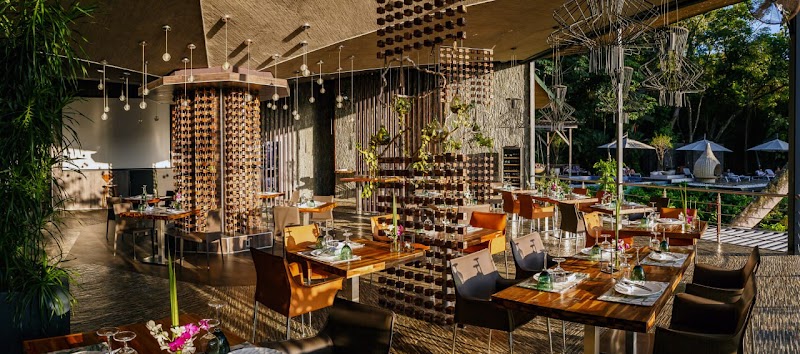
Set within a boutique property on the forested hillside above Manuel Antonio, Árbol ("tree") earns its name literally: the restaurant is built around and within the canopy, with monkeys occasionally crossing the branches overhead as you eat. It would be easy for a place with this setting to coast on the view, but the kitchen takes the food seriously.