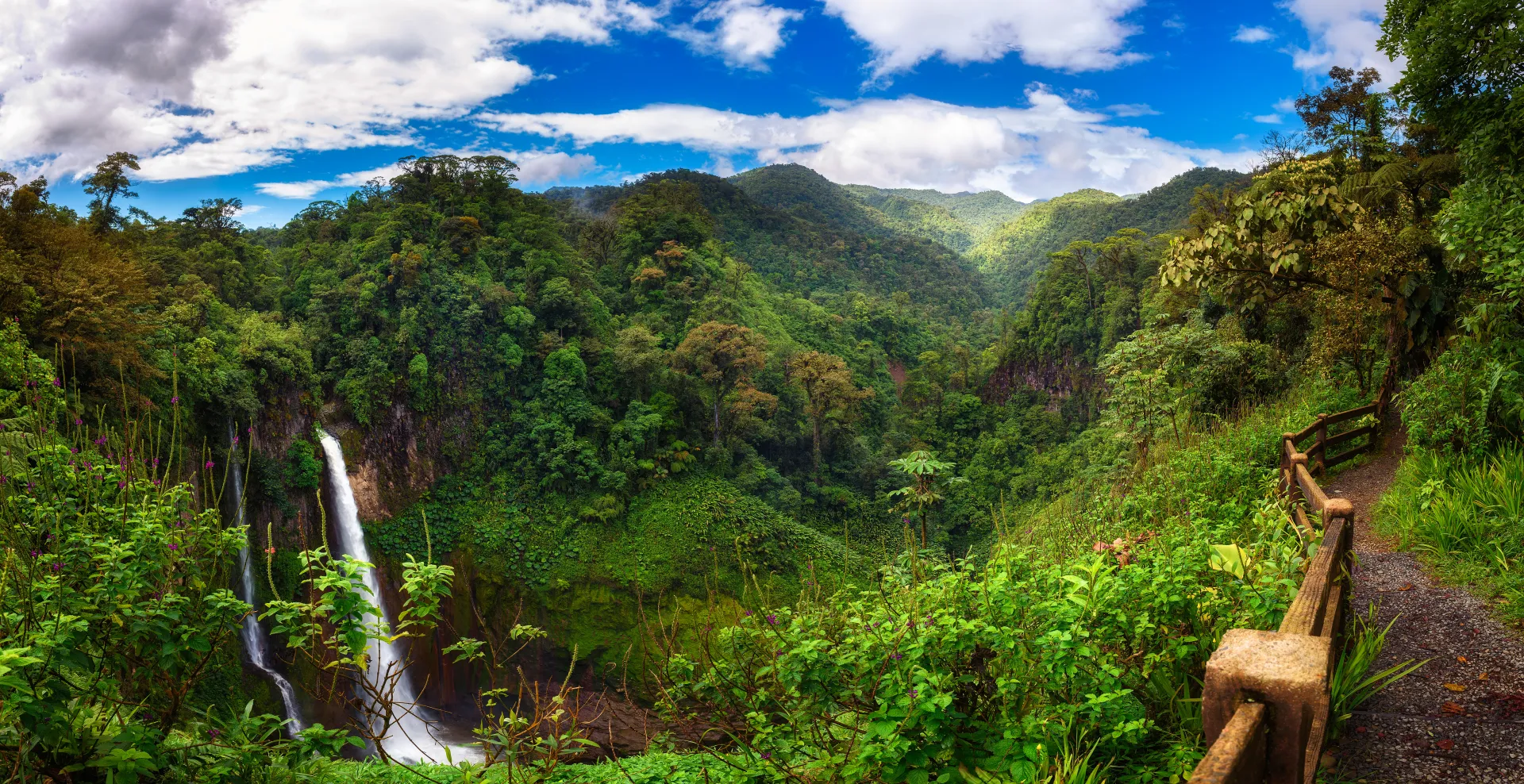
Things to Do in Costa Rica
Costa Rica compresses an almost absurd variety of ecosystems into a country smaller than Scotland: active volcanoes ringed by thermal rivers, cloud forests draped in moss and orchids, Pacific surf breaks, Caribbean mangroves, and some of the most biodiverse rainforest on the planet. The infrastructure for experiencing all of this at a luxury level has matured significantly in recent years, with private reserves, helicopter transfers, and naturalist guides who hold PhDs in tropical ecology now standard offerings at the top tier.
The challenge here is not finding things to do. It is building an itinerary that balances immersion with comfort, adventure with recovery, and ensures you actually see the country's range rather than anchoring in one zone. What follows covers the experiences worth prioritising, with particular attention to the elevated, private, and exclusive versions that justify the journey.
Volcanic Landscapes
Costa Rica sits on the Pacific Ring of Fire, and its volcanic terrain is among the most accessible and visually dramatic anywhere in the Americas. Two volcanic systems stand out for luxury travellers.
Arenal and Its Thermal Rivers
Arenal dominated Costa Rica's tourism for decades, and while the volcano itself has been quiet since 2010, the geothermal system it feeds remains extraordinary. The real draw is not the cone (though it photographs beautifully from the lake) but the network of thermal springs and rivers heated by magma deep below the surface.
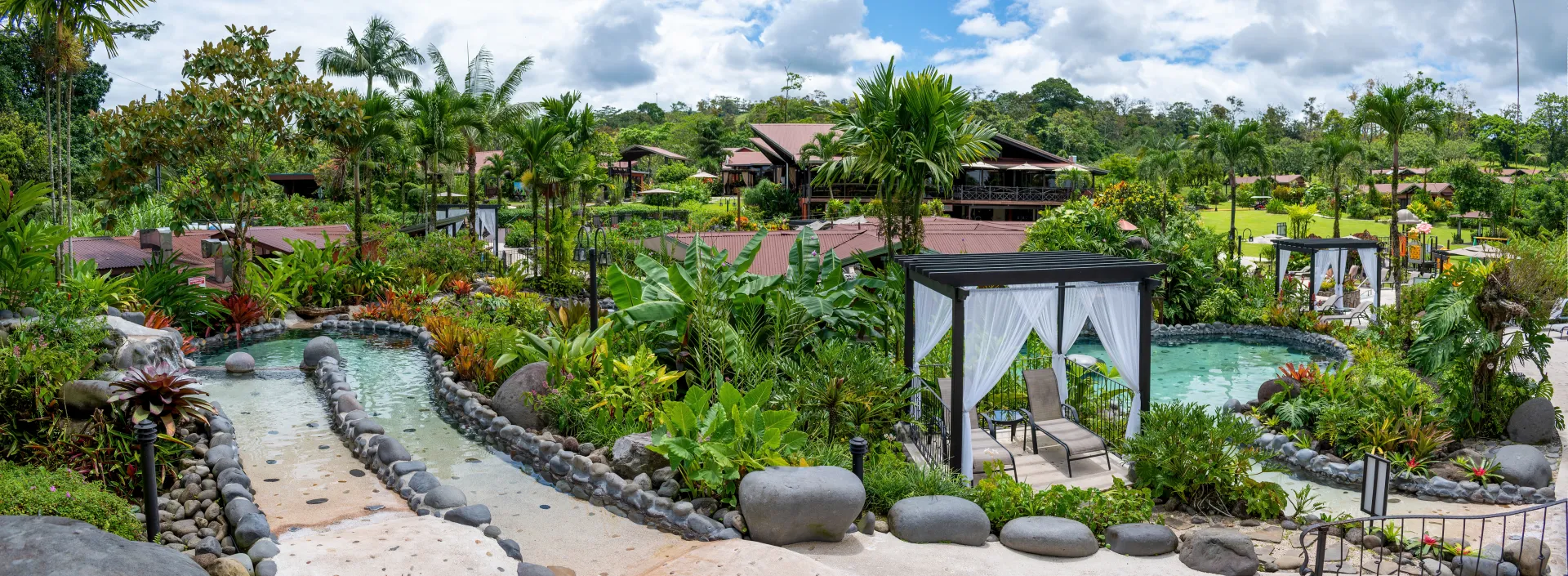
The best thermal experiences are not the public hot springs parks with swim-up bars. They are the private reserves attached to properties like Tabacon Thermal Resort and Nayara, where thermal rivers flow through landscaped forest and the water temperature shifts as you move between pools carved by the current. At Nayara Tented Camp, you can soak in a volcanic hot spring that feeds directly into your suite's plunge pool, surrounded by nothing but forest canopy and the sound of howler monkeys.
For a more active volcanic experience, the hike across the 1968 lava flow on Arenal's western flank offers a striking landscape of hardened basalt being slowly reclaimed by vegetation. Private guides from the lodges will take you at dawn, before the clouds roll in, and explain the geological timeline visible in the rock.
Rincon de la Vieja
Less visited and more raw than Arenal, Rincon de la Vieja in Guanacaste province delivers a volcanic landscape that feels genuinely wild. The national park protects an active stratovolcano surrounded by fumaroles, boiling mud pots, and a volcanic crater lake that periodically erupts in phreatic explosions.
The trails here wind through dry tropical forest on the lower slopes before transitioning to cloud forest higher up. A private guide is essential, not merely for safety, but because the wildlife on these trails (tapirs, pumas, resplendent quetzals in the higher elevations) requires trained eyes to spot. The full-day hike to the crater summit is demanding but rewards with views across the entire Guanacaste lowlands to the Pacific.
Several luxury ranches in the surrounding foothills offer horseback riding through the volcanic terrain, often combined with waterfall swims in rivers heated by geothermal activity. Hacienda Guachipelin runs exclusive-access packages that include private rappelling into canyon waterfalls and tubing through volcanic hot springs without another soul in sight.
Wildlife Encounters
Costa Rica protects roughly 25 percent of its land area in national parks and reserves, and the density of wildlife is staggering. Three destinations stand above the rest for serious nature observation.
Corcovado National Park
National Geographic once called Corcovado "the most biologically intense place on Earth," and spending time on its trails justifies the claim. Located on the remote Osa Peninsula, the park protects lowland tropical rainforest that harbours all four of Costa Rica's monkey species, Baird's tapir, jaguars, scarlet macaws in large flocks, and an extraordinary concentration of reptiles and amphibians.
Access is the filter that preserves Corcovado's wildness. The park limits daily visitor numbers, requires a registered guide, and the most rewarding entry point (Sirena Station, deep in the park's interior) requires either a charter flight or a boat transfer followed by a river crossing. This remoteness is precisely what makes the experience exceptional.
The luxury approach is to base yourself at Lapa Rios or Casa Corcovado, lodges positioned on private reserves adjacent to the park, and arrange multi-day guided excursions into the interior. Dawn departures are non-negotiable; the forest is most active in the first two hours of light, and the heat by mid-morning drives animals into hiding.
Tortuguero and Sea Turtle Nesting
Tortuguero, on the Caribbean coast, is accessible only by boat or small aircraft, and this isolation protects one of the most remarkable wildlife spectacles in the Americas. Between July and October, green sea turtles arrive in their thousands to nest on the dark volcanic sand beaches. The sight of a 150-kilogram turtle hauling herself up the beach, excavating a nest, and laying eggs in the moonlight is profoundly moving.
Turtle nesting observation is strictly regulated: small groups, red-filtered torches, mandatory guides, and designated viewing distances. The best lodges (Tortuga Lodge, Manatus Hotel) arrange private nesting tours with experienced naturalists who can position you for extended observation without disturbing the animals.
Beyond the turtles, Tortuguero's canal system offers exceptional wildlife viewing by boat. Early morning kayak expeditions through the narrow waterways produce sightings of caimans, river otters, toucans, poison dart frogs, and three-toed sloths that you will struggle to match anywhere else in the country.
Monteverde Cloud Forest
Monteverde occupies a unique ecological niche: a mountaintop forest perpetually shrouded in cloud, where moisture condenses on every surface and the trees are so heavily laden with epiphytes, mosses, and bromeliads that the underlying branches are invisible. The biodiversity is exceptional, with over 400 bird species, 100 mammal species, and roughly 2,500 plant species recorded in an area of just 10,500 hectares.
The hanging bridges walkways offer canopy-level observation without the adrenaline of a zip line, and with a knowledgeable naturalist guide, you will spot species invisible to the untrained eye: glass frogs translucent enough to see their beating hearts, resplendent quetzals nesting in dead trees, and hummingbirds found nowhere else on Earth.
Night walks in the cloud forest reveal an entirely different ecosystem. Guided torchlight excursions through the reserve produce encounters with red-eyed tree frogs, tarantulas, sleeping toucans, kinkajous, and dozens of insect species that defy description. The best guides carry UV torches that make scorpions and certain fungi fluoresce in otherworldly colours.
Adventure Activities
Costa Rica essentially invented adventure tourism in the 1990s, and the industry has since matured to offer both mass-market and genuinely exclusive experiences.
Canopy Zip-Lining and Aerial Trams
The zip-line was popularised in Monteverde, and while the concept has been replicated worldwide, the original cloud forest setting remains the most dramatic. The 100% Aventura Park operates the longest zip-line in Latin America, a 1.5-kilometre cable that crosses an entire valley at canopy height. For something less adrenaline-fuelled but more ecologically rewarding, the Sky Adventures aerial tram in Arenal carries you silently through the forest canopy with a naturalist guide narrating the ecosystem below.
Private canopy tours, available through most luxury lodges, eliminate the queue-and-assembly-line experience of the public parks. You move at your own pace, stop when wildlife appears, and your guide adjusts the experience to your comfort level rather than herding you through a fixed sequence.
White Water Rafting
The Pacuare River is consistently ranked among the top ten white water rafting rivers in the world, and its setting through a deep jungle canyon makes it one of the most scenic. Class III and IV rapids provide genuine excitement without extreme danger, and the riverbanks are primary rainforest teeming with toucans, sloths, and morpho butterflies.
The luxury version is a multi-day expedition with overnight stays at Pacuare Lodge, an extraordinary property accessible only by raft, built into the canyon walls above the river. You arrive paddling through rapids and step out of your raft into a world of open-air suites, candlelit dinners, and waterfall showers, with absolutely no road access and no other way in or out.
Surfing
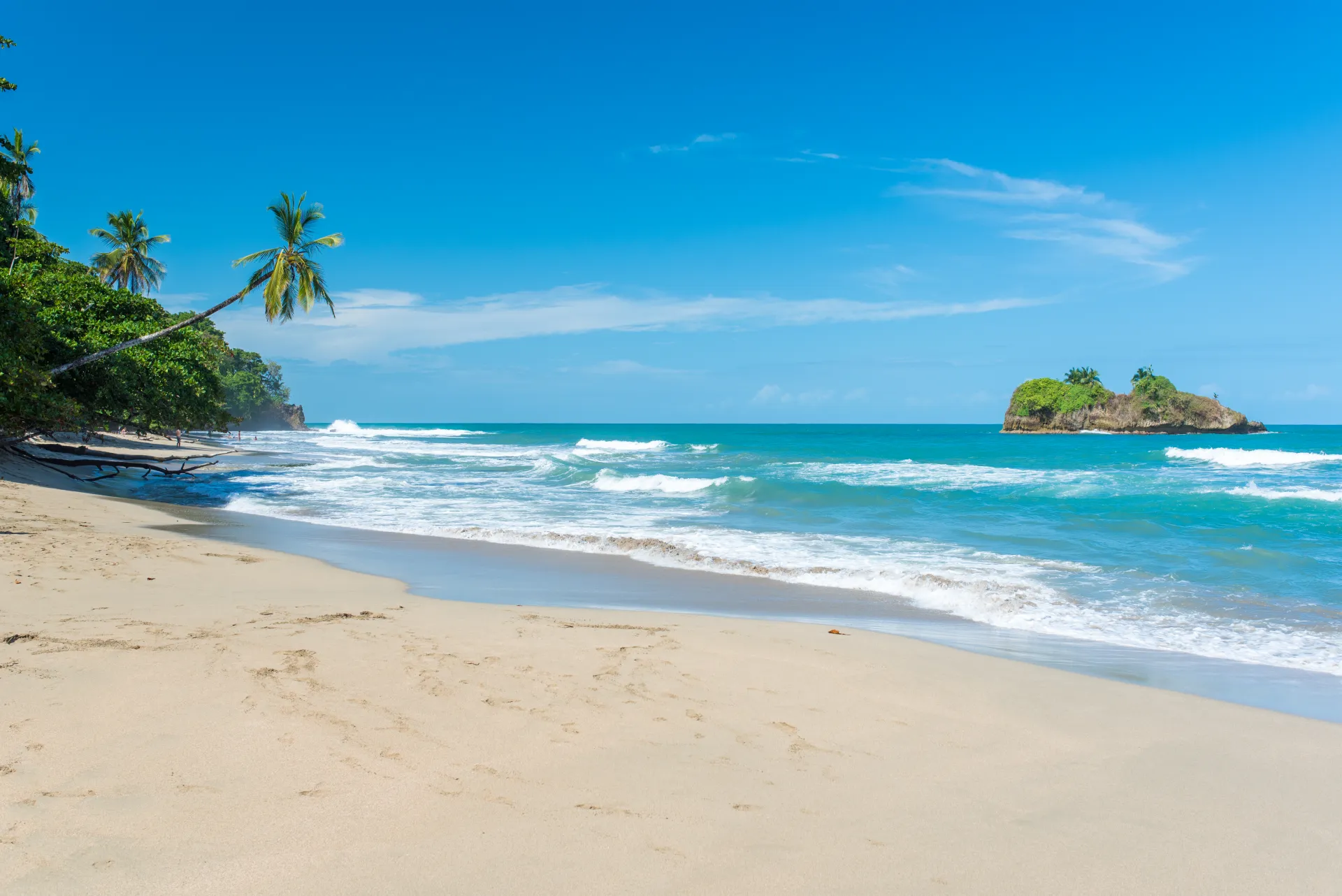
Costa Rica's Pacific coast offers consistent, warm-water surf across a wide range of ability levels, from the gentle beach breaks of Tamarindo to the powerful reef breaks of Playa Hermosa. The country has become a serious surf destination for travellers who want world-class waves without the crowds of Indonesia or Hawaii. For a detailed guide to the coastline, see the best beaches in Costa Rica, which covers the prime surf zones in depth.
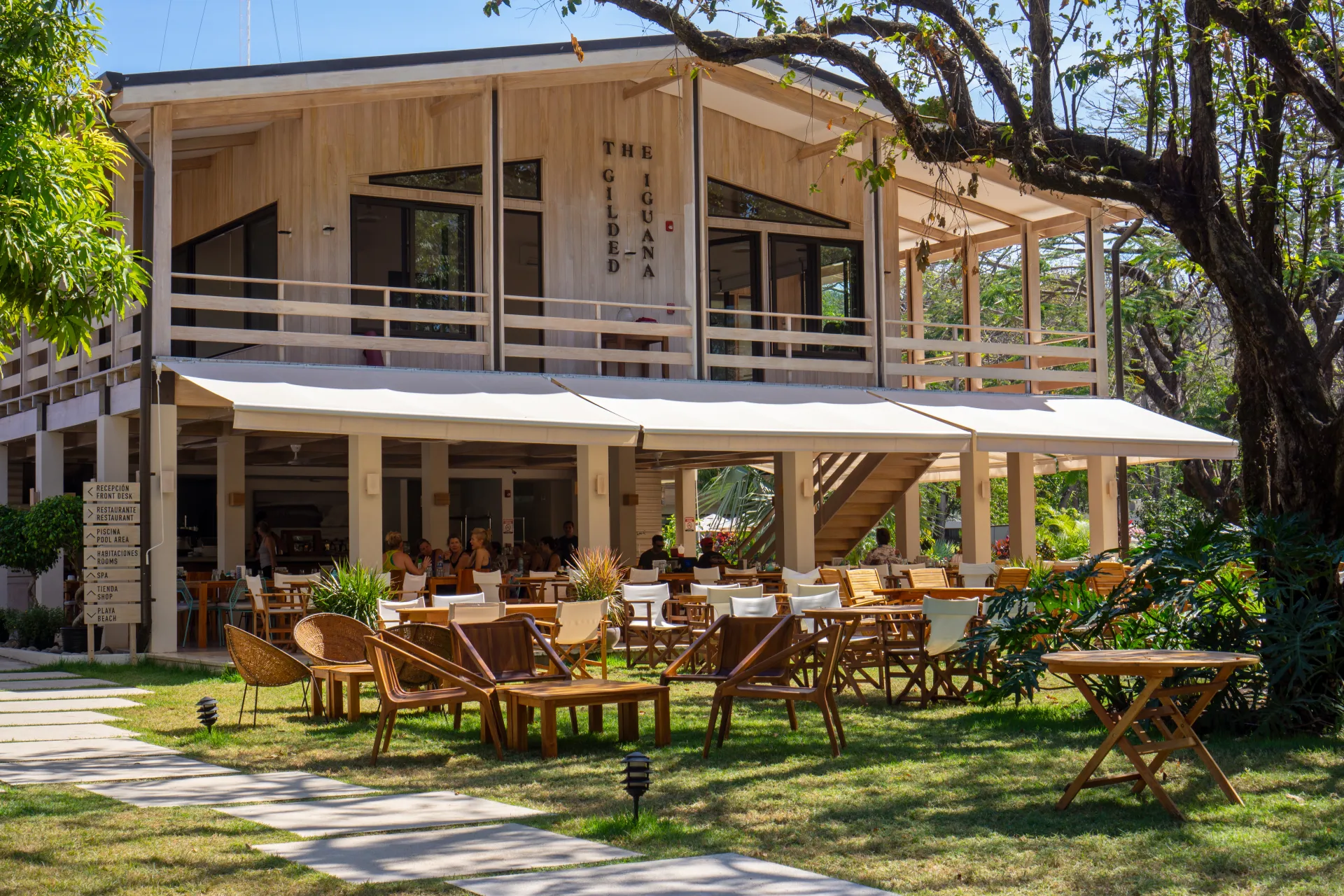
For luxury surf travel, Nosara and Santa Teresa have emerged as the leading destinations, with boutique properties offering private coaching, video analysis, and dawn patrol sessions with uncrowded lineups. The Gilded Iguana in Nosara and Nantipa in Santa Teresa both cater specifically to travelling surfers who want comfort between sessions.
Wellness and Restoration
Costa Rica's "pura vida" philosophy is not merely a tourism slogan. The country's combination of thermal springs, tropical climate, and progressive wellness culture has produced a genuinely sophisticated spa and retreat scene.
Volcanic Hot Springs
Beyond the resort hot springs at Arenal, Costa Rica offers dozens of natural thermal sites ranging from developed spa properties to wild rivers in national parks. The thermal waters are rich in minerals (sulphur, lithium, calcium) and the practice of soaking in progressively hotter pools surrounded by tropical forest is both physically therapeutic and deeply calming.
The most exclusive thermal experience is arguably the private volcanic spring access at The Springs Resort, where a network of 28 pools at varying temperatures cascades down a forested hillside with views directly at Arenal's cone. The property limits access to guests only, and at off-peak hours you may have an entire section of the thermal river to yourself.
Yoga and Wellness Retreats in Nosara
Nosara, on the Nicoya Peninsula, has become Central America's foremost wellness destination. The town's location on one of the world's five Blue Zones (regions with exceptionally high life expectancy) is not coincidental: the combination of warm climate, consistent surf, organic food culture, and an established yoga community attracts both practitioners and world-class instructors.
Bodhi Tree Yoga Resort and The Harmony Hotel offer immersive programmes that combine daily yoga with surfing, clean eating, and nature excursions. These are not austere retreats. The accommodation is beautiful, the food is excellent, and the programmes are designed to integrate physical challenge with genuine rest. A week in Nosara combining dawn surf sessions, afternoon yoga, and evenings in the thermal pools can recalibrate both body and mind with remarkable efficiency.
Cultural Experiences
Costa Rica's cultural offerings are subtler than its natural ones, but they reward attention and the right guidance.
Coffee Plantation Tours
Costa Rica produces some of Central America's finest coffee, and the highland plantations in the Central Valley offer tours that range from tourist-friendly overviews to serious, multi-hour explorations of single-origin production. The most rewarding are the private estate visits arranged through specialist operators, where you walk the rows with the farm's owner, observe the wet-mill process, and cup the current harvest with a certified Q grader.
Hacienda Alsacia, Starbucks' only company-owned farm, offers behind-the-scenes visits not available through normal channels. For independent specialty producers, the farms around Tarrazu and the West Valley (Naranjo, Grecia) produce competition-winning micro-lots and welcome visitors who are genuinely interested in the craft.
San Jose Food and Culture
San Jose is routinely dismissed by travel guides as a place to transit through quickly, but this does the capital a disservice. The city's food scene has undergone a quiet revolution, with restaurants like Silvestre (foraged and fermented Costa Rican ingredients), Al Mercat (modern European with local produce), and Sikwa (pre-Columbian indigenous cuisine) earning serious international attention.
A full day in San Jose, properly guided, can include the excellent Pre-Columbian Gold Museum, the produce-packed Mercado Central (operating since 1880), the street art of Barrio Escalante, and a dinner that rivals anything in the country's beach towns. The city also serves as a logical base for day trips to coffee country, Poas Volcano, and the cloud forests of the Central Highlands.
Building an Itinerary
The temptation in Costa Rica is to try to see everything, but distances are deceptive and road conditions in rural areas remain challenging despite ongoing improvements. A luxury itinerary of ten to fourteen days can comfortably cover three distinct zones (say Arenal, Monteverde, and the Osa Peninsula) with domestic flights between them eliminating the grinding overland transfers that plague budget itineraries.
The country rewards depth over breadth. Three nights in one location, with a trusted naturalist guide who knows exactly where the quetzal nests or which thermal pool has the best mineral composition, will produce richer memories than seven destinations in seven days. Private charter flights, helicopter transfers to remote lodges, and pre-arranged exclusive access are all readily available and transform the logistics from stressful to seamless.

More from Costa Rica