
Bali Travel Guide
Bali rewards planning more than most tropical destinations. It's a small island, roughly 150 kilometres across, but the traffic is severe and the regions are so different from one another that a poorly structured trip can leave you spending half your holiday in the back of a car. Get the sequence right, base yourself in the areas that match what you actually want, and travel in the correct season, and Bali delivers some of the best value in luxury travel anywhere in Asia.
This guide covers the decisions that shape a trip: when to come, how to arrive and get around, which part of the island to choose, what to budget, and the practical details (visas, money, connectivity, etiquette) that are easy to get wrong. For deeper coverage of individual topics, each section links to a dedicated guide.
When to Go
Bali has two seasons: dry (May to October) and wet (November to April). The dry season is the clear choice for most travellers. Skies are reliably blue, humidity drops, the surf on the west coast is at its best, and the rice terraces are green from the preceding rains. July and August are the peak, coinciding with European and Australian holidays, which means higher rates and the island's only real crowds.
The shoulder months of May, June, and September are the sweet spot: dry weather without the peak-season pricing or congestion. October is a gamble as the wet season approaches, but often delivers warm, mostly dry days at lower rates.
The wet season isn't a write-off. Rain typically comes in short, heavy afternoon bursts rather than all-day downpours, and the mornings are frequently clear. Rates fall, the landscape is at its most lush, and the island feels calmer. The exceptions are January and February, the wettest months, when humidity is oppressive and rain can settle in for days. For a full month-by-month breakdown, see the best time to visit Bali guide.
One date to plan around is Nyepi, the Balinese Day of Silence, usually in March. For 24 hours the entire island shuts down: no flights in or out, no lights, no leaving your hotel. Guests observe it from within their accommodation. It's a remarkable cultural experience if you know it's coming and a serious inconvenience if you don't.
Getting There
Ngurah Rai International Airport (airport code DPS), just south of Kuta, is the island's only airport and the arrival point for every visitor. It handles direct flights from across Asia and Australia, with long-haul routes typically connecting through Singapore, Doha, Dubai, Hong Kong, or Kuala Lumpur.
There are no direct flights from Europe or North America. From London, expect a single connection and a total journey of roughly 17 to 20 hours. From the US west coast, plan on 22 hours or more with one or two stops. Book the shortest layover that still leaves a comfortable connection buffer, and where possible arrive during daylight so your first transfer isn't a disorienting late-night crawl through southern Bali's traffic.
Most luxury hotels arrange airport transfers, and this is worth taking. The alternative, negotiating a taxi or ride-hailing pickup while jet-lagged, is a poor introduction to the island.
Getting Around
There is no meaningful public transport for visitors, so you have three practical options.
Private driver. The standard approach for a luxury trip. A car with an English-speaking driver runs roughly IDR 700,000 to 1,000,000 per day (USD 45 to 65), often including fuel for local journeys. The same driver for your whole stay learns your preferences and doubles as an informal guide. Hotels can arrange this, though independent drivers booked directly are cheaper.
Ride-hailing apps. Gojek and Grab work well in the south and are far cheaper than hotel cars for short hops: a ride across Seminyak might cost IDR 30,000 (USD 2). Coverage thins in Ubud and is patchy in Uluwatu, and some areas restrict app pickups due to local taxi politics, so they suit spontaneous trips rather than a full itinerary.
Scooter. Ubiquitous, cheap, and how most locals move. For confident riders it's liberating, but Bali's roads are chaotic, accidents are common, and many travel insurance policies won't cover you without the correct licence. Not recommended for a luxury trip built around comfort.
Whatever you choose, respect the traffic. The 30-kilometre trip from Seminyak to Uluwatu can take 90 minutes in the wrong conditions. Cluster your days by region rather than criss-crossing the island.
Where to Go
Bali isn't one destination but several, each with a distinct character. The most common mistake is trying to see all of them in a week.
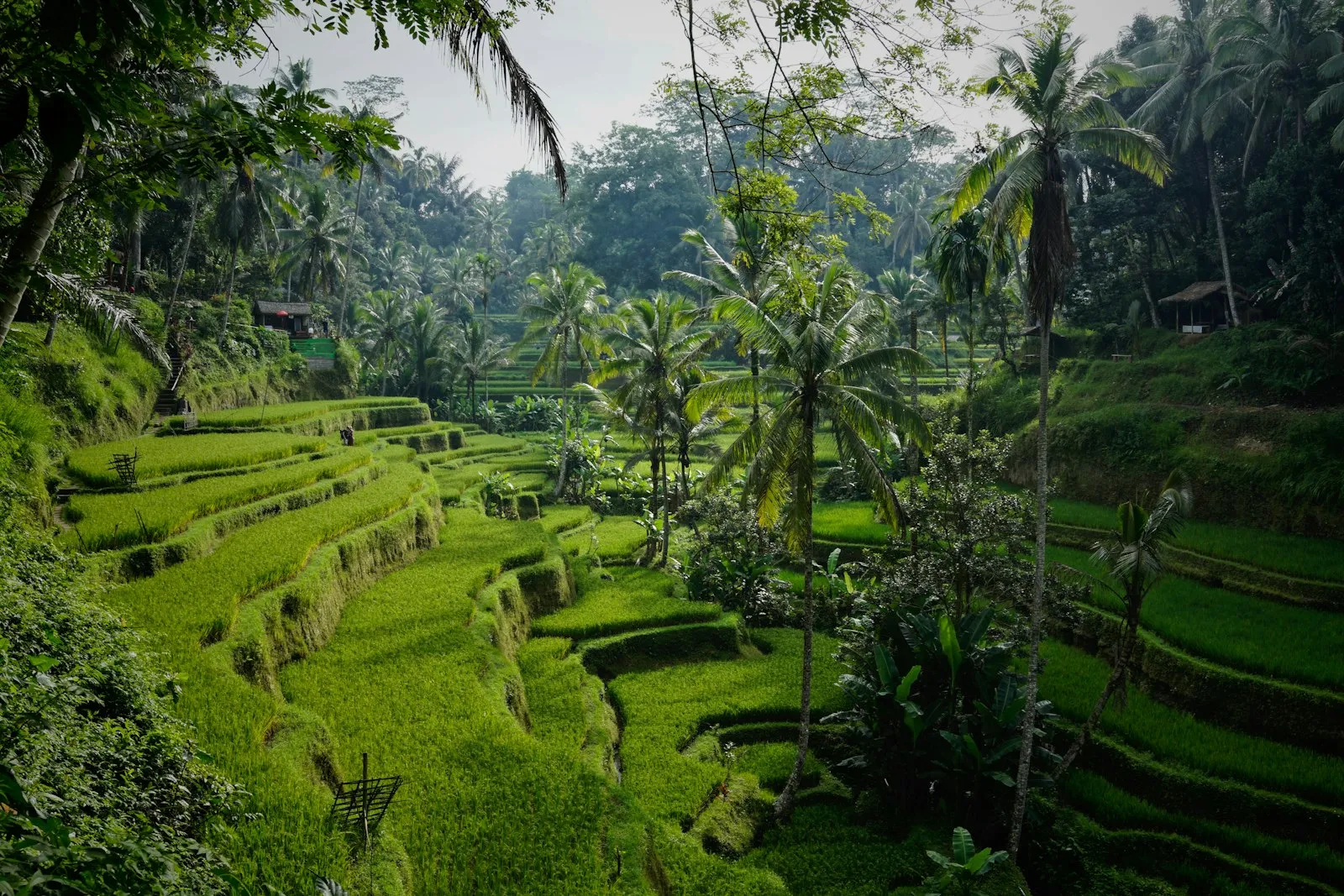
Ubud is the cultural heart, set in the cool highlands among rice terraces and river gorges. This is the base for temples, galleries, wellness, and serious dining, and it's about 90 minutes from the coast.
Seminyak and Canggu form the fashionable west-coast strip: beach clubs, boutiques, restaurants, and reliable sunsets, backed by heavy traffic and development.
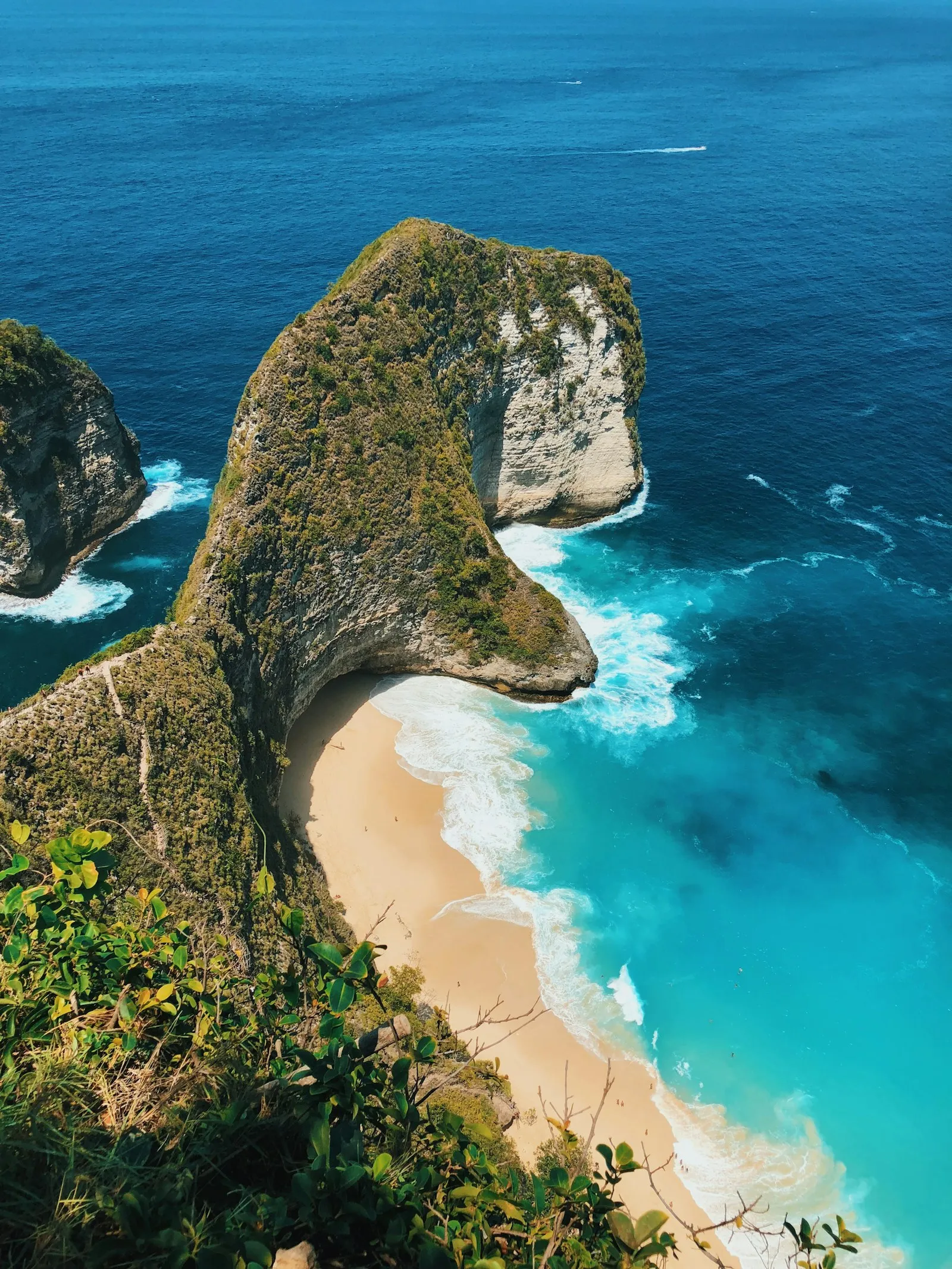
Uluwatu, on the southern Bukit peninsula, has the island's most dramatic clifftop scenery and its most exciting new hotels, at the cost of isolation from everything else.
Jimbaran sits between the airport and Uluwatu, offering a calm crescent beach, celebrated seafood, and easy access without the remoteness of the Bukit.
Nusa Dua is the gated resort enclave: manicured, predictable, and popular with families and first-timers who value a self-contained environment over local texture.
Sanur, on the quieter east coast, is low-key and gently paced, and the departure point for the Nusa islands (Penida, Lembongan, Ceningan) offshore.
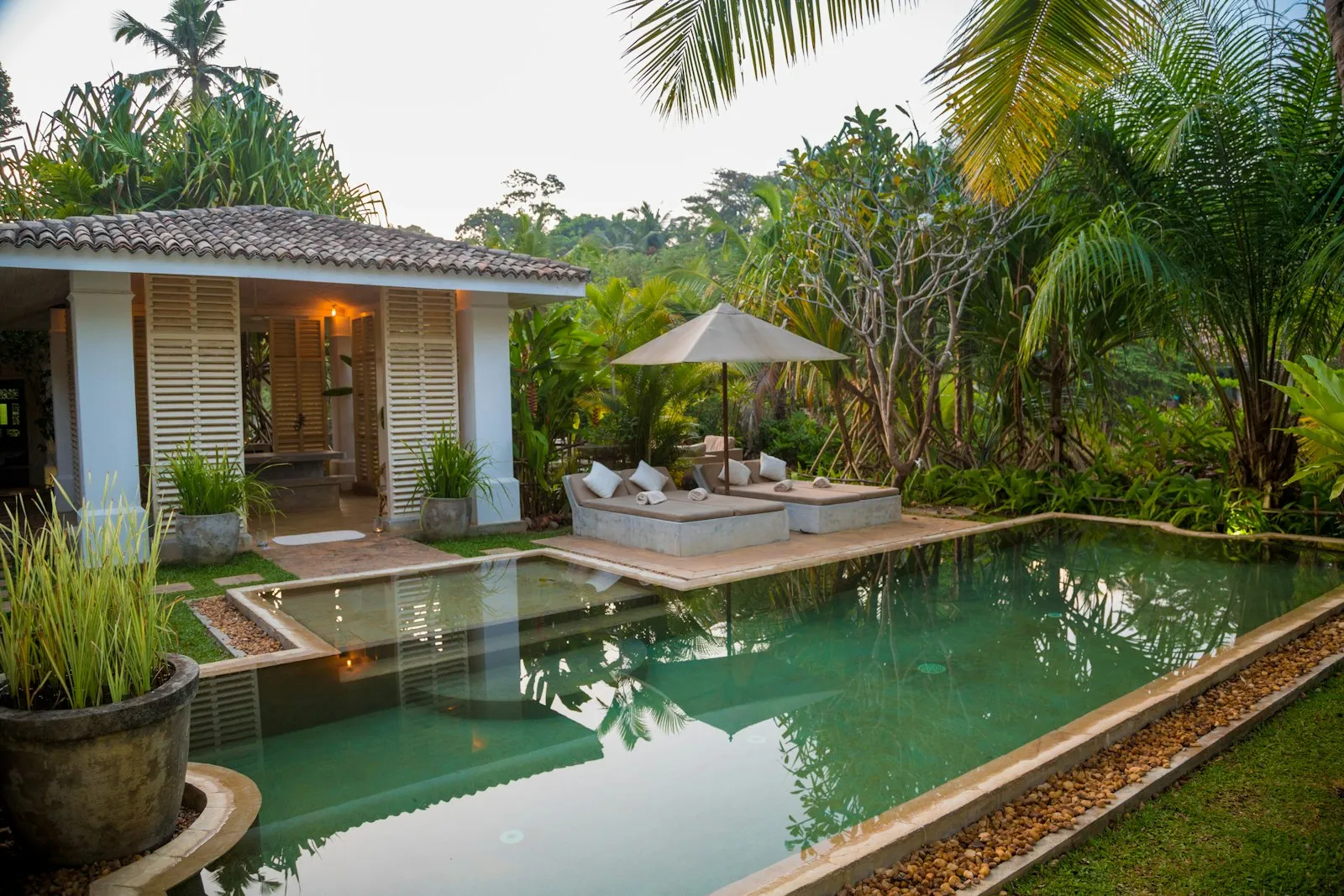
For a seven-night first visit, the strongest structure splits time between Ubud and one southern coastal base. Three nights inland for culture and decompression, four on the coast for beaches and sunsets, works better than constant hotel changes. The where to stay in Bali guide covers each area and its best hotels in detail, from Mandapa, a Ritz-Carlton Reserve ★ 4.7 in the Ubud river gorge to Six Senses Uluwatu ★ 4.5 on the southern cliffs.
What to Do
Beyond the hotels, Bali's draws divide roughly into culture, nature, and the beach.
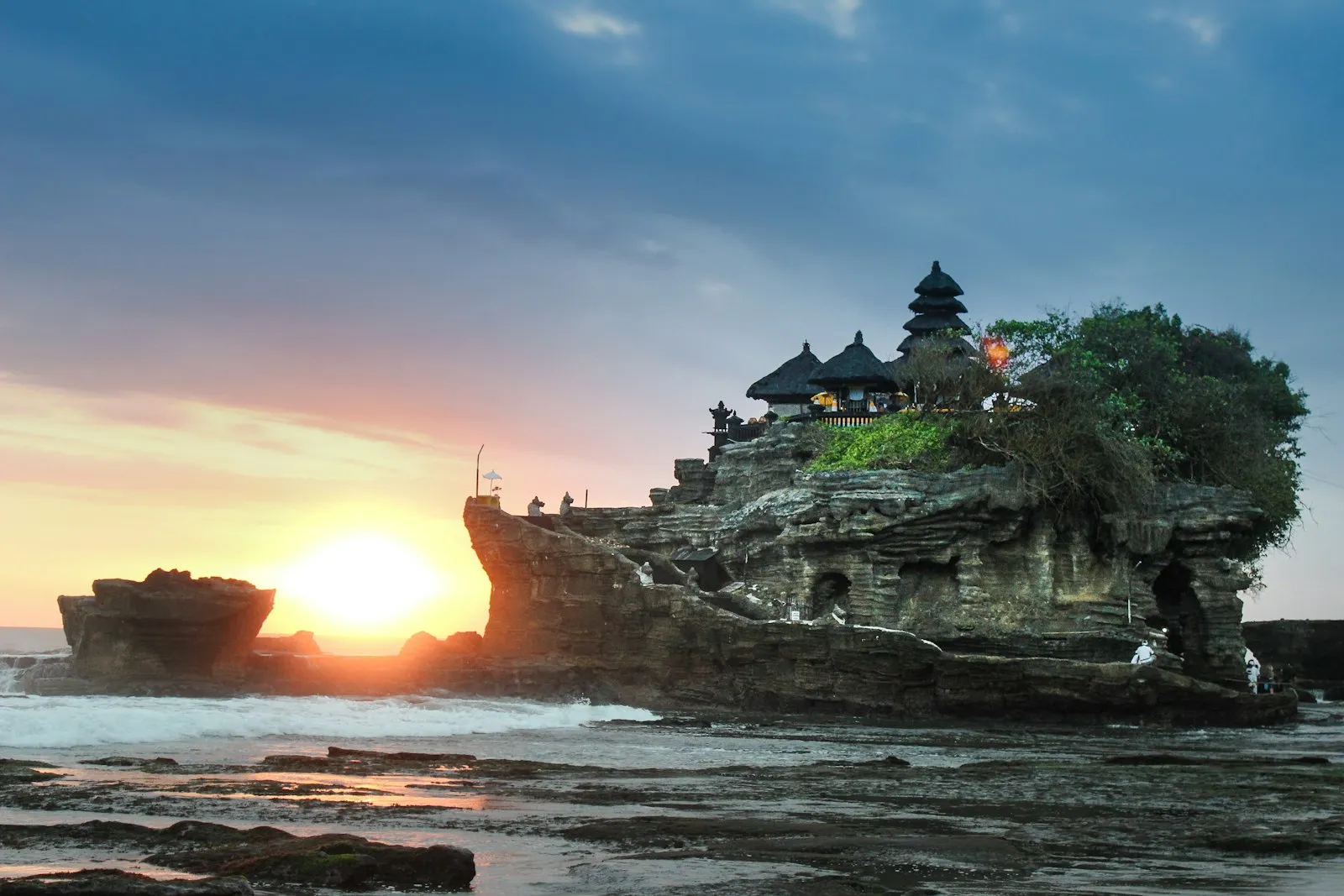
The cultural highlights cluster around Ubud: the water temple at Tirta Empul, the artist villages of Mas and Celuk, the Ubud palace, and the terraced rice fields at Tegallalang and Jatiluwih. The sea temples of Tanah Lot and Uluwatu are best at sunset, when Uluwatu's clifftop kecak fire dance performance is worth timing your evening around.
For nature, the volcanic north offers Mount Batur sunrise treks, the waterfalls around Munduk and Sekumpul, and the Sidemen valley, which looks like Ubud did two decades ago. Offshore, the Nusa islands and Menjangan in the far northwest deliver the best diving and snorkelling.
The things to do in Bali guide covers these in depth, and the best beaches in Bali guide maps the coastline, from the surf breaks of the Bukit to the black-sand shores of the east. If food is a priority, Bali's dining scene has matured dramatically, and the best restaurants in Bali run from Ubud tasting menus to Jimbaran seafood grills on the sand.
What It Costs
Bali spans an enormous range, which is part of its appeal. You can eat superbly for a few dollars at a local warung or spend USD 300 on a tasting menu the same evening.
At the luxury end, expect the following as rough nightly and per-item guides:
- Five-star hotels and resorts: USD 300 to 700 for a strong room or suite, USD 800 to 2,500 for private pool villas at the best properties.
- Fine dining: USD 60 to 150 per person for a tasting menu with wine at the island's top tables. The best restaurants in Bali guide covers 21 of them, with current prices.
- Casual dining: USD 5 to 20 per person at good local restaurants and cafes.
- Private driver: USD 45 to 65 per day.
- Spa treatment: USD 30 to 80 for an hour at a quality spa outside the hotels, considerably more inside them.
A week for two at the luxury level, including a good hotel, private transport, spa, and a mix of fine and casual dining, typically lands somewhere between USD 4,000 and 9,000 excluding international flights, depending on hotel choice and season. That buys a standard of accommodation and service that would cost several times as much in the Caribbean or the Maldives.
Practical Essentials
Visa. Most nationalities, including UK, US, EU, and Australian passport holders, need a visa on arrival, currently IDR 500,000 (about USD 35), valid for 30 days and extendable once. You can pay this at the airport or apply for the e-VoA online beforehand to skip a queue. A separate tourist levy of IDR 150,000 (about USD 10) applies to foreign visitors and is best paid online before arrival via the official Love Bali portal.
Money. The currency is the Indonesian rupiah (IDR). Cards are accepted at hotels, upmarket restaurants, and larger shops, but carry cash for warungs, markets, drivers, and temple donations. Use ATMs attached to banks rather than freestanding machines, and decline the "convert to your home currency" option they offer, which builds in a poor exchange rate.
Connectivity. Buy a local eSIM before you travel or a physical SIM (Telkomsel has the widest coverage) on arrival for reliable data. Hotel wifi is generally good in the south and more variable in the highlands and remote areas.
Health. No vaccinations are mandatory, but check current recommendations before you travel. Drink bottled or filtered water only, including for brushing teeth. "Bali belly" is common and usually mild; a good travel insurance policy that covers medical evacuation is sensible given the island's limited high-level medical facilities.
Etiquette. Bali is a Hindu island and its temples are active places of worship. Cover shoulders and knees, wear the sarong provided at temple entrances, and never step in front of someone praying. Dress modestly away from the beach and resort areas. A small offering basket (canang sari) on a doorstep or pavement is a religious item; step around it, not on it.
A Suggested First-Timer Itinerary
For seven nights, a structure that consistently works:
Nights one to three in Ubud, easing into the trip with rice-terrace walks, a temple or two, a cooking class, and the highland dining scene. Nights four to seven on the southern coast, either Uluwatu for drama and seclusion or Jimbaran for beaches and seafood with easier access. Use your final full day for something offshore or a spa day before the long flight home.
Ten nights allows a third base: add Sidemen or the north for volcanoes and waterfalls, or Nusa Lembongan for a slower, more remote coastal finish.
The single most important planning decision remains the season. Travel in the dry months, book the best hotels well ahead for July and August, and confirm your dates against Nyepi if you're visiting in March. Sort those, choose your bases deliberately, and the rest of a Bali trip tends to fall into place.

More from Bali