Best Beaches on the Amalfi Coast
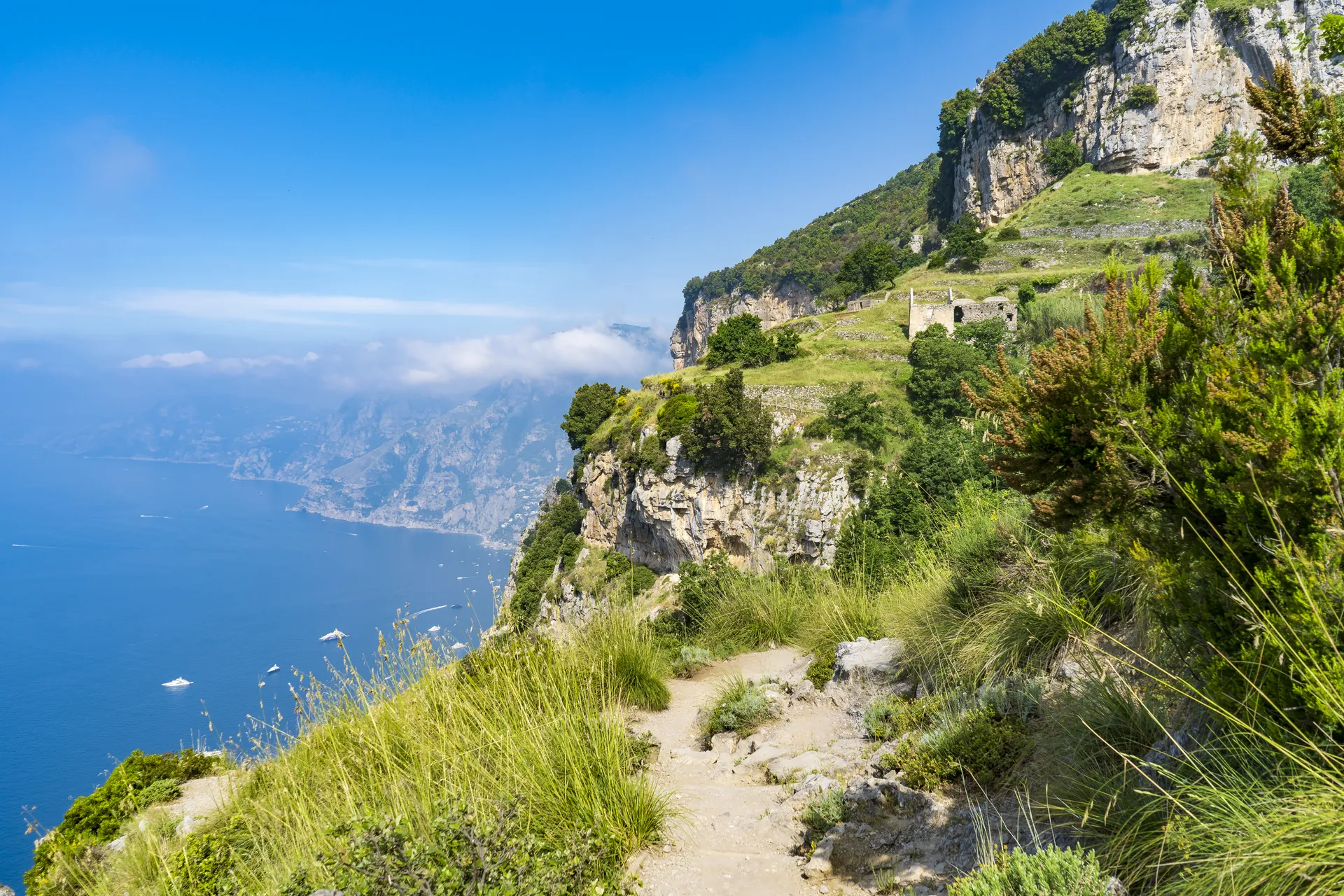
The Amalfi Coast is not a beach destination in the conventional sense. There are no long stretches of white sand here, no lazy dunes, no flat shoreline where you can walk for kilometres. The coastline is vertical. Cliffs drop hundreds of metres to the Tyrrhenian Sea, and the beaches, where they exist, are compact affairs wedged into coves and ravines at the base of those cliffs. Most are pebble or coarse grey sand. Many require a boat, a steep staircase, or both to reach.
None of that is a drawback. The beaches here earn their appeal through setting rather than size. Swimming off a rocky platform below Ravello, with the village a distant cluster of terracotta roofs 350 metres above, is a different category of experience from a standard resort beach. The water is deep, clean, and startlingly clear. The scale of the cliffs creates a sense of enclosure that feels private even when the beach itself is busy. And the infrastructure, from the beach clubs of Positano to the fishing-boat harbours of Praiano, has been refined over decades to make the most of limited space.
Spiaggia Grande, Positano
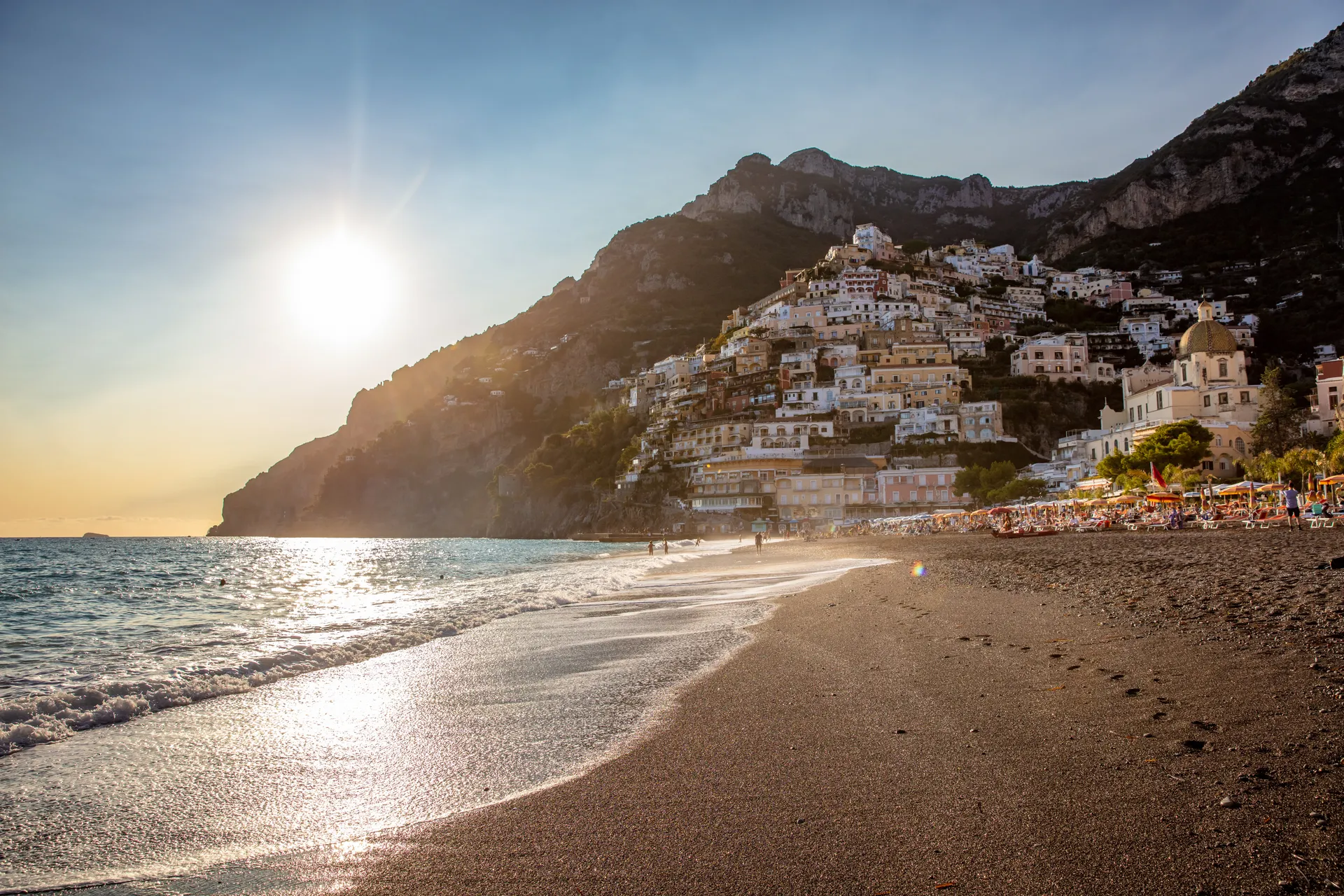
Positano's main beach is the most famous on the coast, and for straightforward reasons: the village rises behind it in a cascade of pastel buildings, the water is clear and calm, and the whole scene looks exactly like the postcards suggest. The beach is coarse grey sand and pebbles, roughly 300 metres long, split between a free public section on the eastern end and private beach club territory to the west.
The beach clubs (Da Ferdinando, Puppetto, Music on the Rocks) rent loungers and umbrellas for €20-40 per day and provide food, drinks, and changing facilities. During July and August, the paid sections fill early and the free stretch gets crowded by mid-morning. The swimming is good regardless of where you set up. The water deepens quickly and is sheltered from all but southerly winds.
Spiaggia Grande works best as a base for a full Positano day: morning swim, lunch at one of the beachfront restaurants, afternoon on a lounger, then the steep climb back up through the village for dinner. Arriving by ferry from Amalfi or Salerno avoids the parking problem entirely.
- Crowd level: High in peak season. Arrive before 09:30 or come in the late afternoon
- Facilities: Full. Beach clubs, restaurants, water sports, boat hire
- Best for: First-time visitors, anyone staying in Positano
Fornillo Beach, Positano
A ten-minute walk west from Spiaggia Grande along a cliffside path, Fornillo is Positano's second beach and, for many regular visitors, the preferred one. It's smaller, quieter, and has a slightly more relaxed atmosphere. The pebble beach is backed by a rocky cove with a couple of beach clubs (Da Ferdinando is the best known) and a stretch of free access at either end.
The path from Spiaggia Grande passes a medieval watchtower and offers good views back toward Positano. The beach itself faces south-west, catching afternoon sun long after Spiaggia Grande falls into shadow. The swimming is excellent, with clear water over a rocky seabed that rewards snorkelling along the base of the cliffs.
Fornillo is the better choice for travellers who want a beach day without the intensity of Positano's main strip. The trade-off is fewer dining options directly on the sand, though the walk back to Spiaggia Grande takes only minutes.
- Crowd level: Moderate. Noticeably quieter than Spiaggia Grande
- Facilities: Two beach clubs, limited free access areas
- Best for: Couples, repeat visitors to Positano, snorkellers
Marina di Praia, Praiano
Tucked into a narrow ravine between Praiano and the coast road, Marina di Praia is a tiny harbour beach that feels completely removed from the tourist circuit. The beach itself is barely 50 metres of coarse sand and pebbles, flanked by fishing boats and the cliffs of the ravine. A few restaurants line the water's edge, and the beach bar Il Pirata has been a local institution for decades.
The setting is extraordinary. The ravine walls rise steeply on both sides, creating a natural amphitheatre that catches the light in the late morning and early afternoon. The water is deep and clear, excellent for swimming, and the rocky outcrops on either side of the cove are good for jumping. A sea cave at the western end is accessible by swimming a short distance from shore.
Access is via a steep staircase from the coast road (roughly 400 steps). There is limited parking at road level. The beach is small enough that it fills on summer weekends, but on weekdays, even in July, it retains a quiet, local character.
- Crowd level: Low to moderate. Size limits capacity naturally
- Facilities: Restaurants, one beach bar, boat hire
- Best for: Travellers staying in Praiano, anyone seeking a less touristy swimming spot
Atrani Beach
Atrani is the smallest municipality on the Amalfi Coast, a tight knot of houses built around a piazza and a small sandy beach. The village sits just east of Amalfi town, separated by a short tunnel, but it feels entirely different in character. Where Amalfi draws coach tours and cruise ship passengers, Atrani remains genuinely local.
The beach is small (around 150 metres of dark sand and pebbles) but well situated, framed by the village's medieval buildings and the arches of the coast road above. The swimming is safe and the water clean. A handful of beach clubs rent loungers, and the restaurants on the piazza, particularly Le Arcate, serve excellent food at prices well below Positano or Ravello.
Atrani is the best beach on the coast for travellers who want to combine swimming with village life. The beach, the piazza, the restaurants, and the narrow lanes above are all within a two-minute walk of each other. It's also well connected: Amalfi is a five-minute walk through the tunnel, and SITA buses stop on the road above.
- Crowd level: Moderate. Popular with Italian day-trippers
- Facilities: Loungers, restaurants on the piazza, showers
- Best for: Families, budget-conscious travellers, anyone basing themselves in Amalfi
Marina Grande, Amalfi
Amalfi's main beach stretches east from the harbour, a wide curve of grey sand backed by the town's restaurants and the facade of the Arsenal, the medieval shipyard that once built the vessels of the Amalfi Maritime Republic. The beach is the largest and most accessible on the central coast, which makes it busy but also means there's usually space.
The western half is occupied by beach clubs with neat rows of loungers and umbrellas. The eastern section is free access. The water is calm and suitable for families, with a gentle slope into deeper water. Boats to Capri, Positano, and the Emerald Grotto depart from the adjacent harbour, making this a convenient base for combining a beach morning with an afternoon boat excursion.
The setting lacks the drama of Positano or the intimacy of Praiano, but it compensates with convenience. The restaurants of Amalfi town are steps away, the bus station connects to every village on the coast, and the cathedral is a three-minute walk up from the waterfront.
- Crowd level: High in summer. The size absorbs crowds reasonably well
- Facilities: Full. Beach clubs, restaurants, boat excursions, showers
- Best for: Families, travellers based in Amalfi, combining beach and sightseeing
Fiordo di Furore
Technically a fjord rather than a beach, the Fiordo di Furore is a narrow gorge where a mountain stream meets the sea, creating a sheltered inlet with a tiny strip of pebbles beneath a medieval bridge. The gorge walls rise vertically on both sides, and the light that reaches the water below is filtered and dramatic. It's one of the most photographed spots on the coast.
The beach is small (no more than 30 metres of usable space) and access is via a steep staircase from the coast road. There are no facilities beyond a shower. The swimming is good, with cool, clear water sheltered from wind and waves. In summer, the Fiordo hosts an annual cliff diving competition from the bridge above, which gives some sense of the scale.
This is not a place for a full beach day. Visit for an hour, swim, take photographs, and move on. The lack of facilities and tight space make it uncomfortable for longer stays, particularly in high season. But as a swimming stop on a drive along the coast road, it's unforgettable.
- Crowd level: Variable. Can feel crowded due to tiny size, even with few people
- Facilities: None. Bring water and a towel
- Best for: Photographers, adventurous swimmers, a brief stop on a coastal drive
Conca dei Marini
The small beach at Conca dei Marini sits below the village of the same name, accessed by a long staircase from the coast road. The beach is rocky with patches of coarse sand, but the swimming is superb: deep, clear water in a sheltered cove with views west toward Amalfi. The Monastero Santa Rosa hotel perches on the cliff above, its terraced gardens visible from the waterline.
The Emerald Grotto (Grotta dello Smeraldo), one of the coast's most popular attractions, is a few hundred metres along the shore. Boat tours from Amalfi stop here regularly, and it's possible to swim to the grotto entrance from the beach (though visiting the interior requires a paid boat tour from above).
Conca dei Marini is one of the quieter swimming spots on the coast. The staircase access and lack of commercial beach clubs filter out casual visitors. If staying nearby, it makes an excellent morning swimming destination.
- Crowd level: Low. The access stairs keep numbers down
- Facilities: Minimal. A small seasonal bar
- Best for: Strong swimmers, travellers seeking quiet, guests at nearby hotels
Erchie
East of Cetara, past the busier central stretch of the coast, the village of Erchie has a crescent beach of grey sand that receives a fraction of the visitors that Positano and Amalfi attract. The beach is backed by a 16th-century watchtower and a small collection of fishing boats, and the village above consists of little more than a few houses, a church, and a couple of restaurants.
The water is clean and calm, the sand is genuine (not pebbles), and the setting is quietly beautiful. A seasonal beach club occupies part of the shoreline, but the free section is ample. Erchie is well suited to travellers with a car who are willing to drive the extra 20 minutes east of Amalfi for a significantly less crowded experience.
- Crowd level: Low. Few international visitors make it this far east
- Facilities: One beach club, a couple of restaurants in the village
- Best for: Travellers with a car, families, anyone seeking a quieter alternative
Practical Tips
Pack water shoes. The pebble and rocky access points are uncomfortable barefoot, and many beaches have stony seabeds near the shore. A basic pair of water shoes improves the experience considerably.
Boat access opens up the coast. Several beaches along the Amalfi Coast are reachable only by water, and hiring a small boat (from around €80 per half day in Amalfi or Positano) lets you explore coves and swimming spots that road-bound visitors never see. Even for accessible beaches, arriving by water avoids the parking and staircase problem entirely.
The best swimming months are June and September. Water temperatures peak in August (around 26°C), but June and September offer 22-24°C water with a fraction of the crowds. The shoulder season months are the sweet spot for beach days.
Beach clubs are worth the cost. The €20-40 for a lounger and umbrella at a decent beach club includes access to showers, changing rooms, food service, and often better positioning on the beach. In high season, when free sections are packed, the comfort premium is significant.
Sunscreen and shade matter. The south-facing orientation of most Amalfi Coast beaches means intense sun exposure, particularly between 11:00 and 15:00. Cliffs provide natural shade in the morning or late afternoon depending on the beach's orientation, but midday sun is relentless. The beach club umbrella earns its fee.
The Amalfi Coast's beaches are not for travellers who measure beach quality by sand softness or shoreline length. They are for swimmers, sun-seekers, and coast-lovers who value dramatic setting over sprawling space, and who understand that a swim in clear water beneath 300-metre cliffs, followed by fresh seafood at a harbourside table, is worth any number of stairs.

More from Amalfi Coast