Santorini
A volcanic caldera, whitewashed villages, and legendary sunsets — Greece's most iconic island, refined.
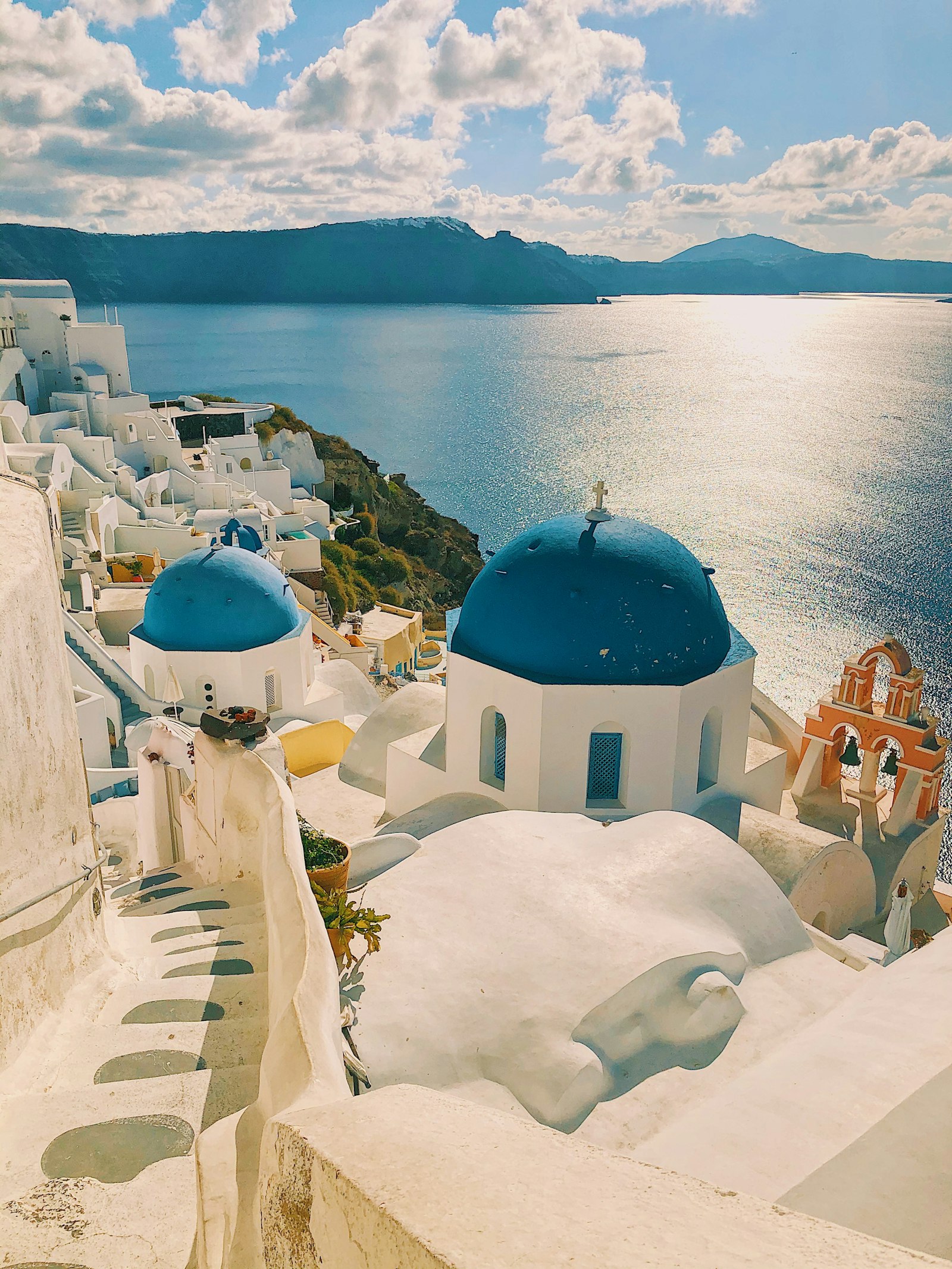
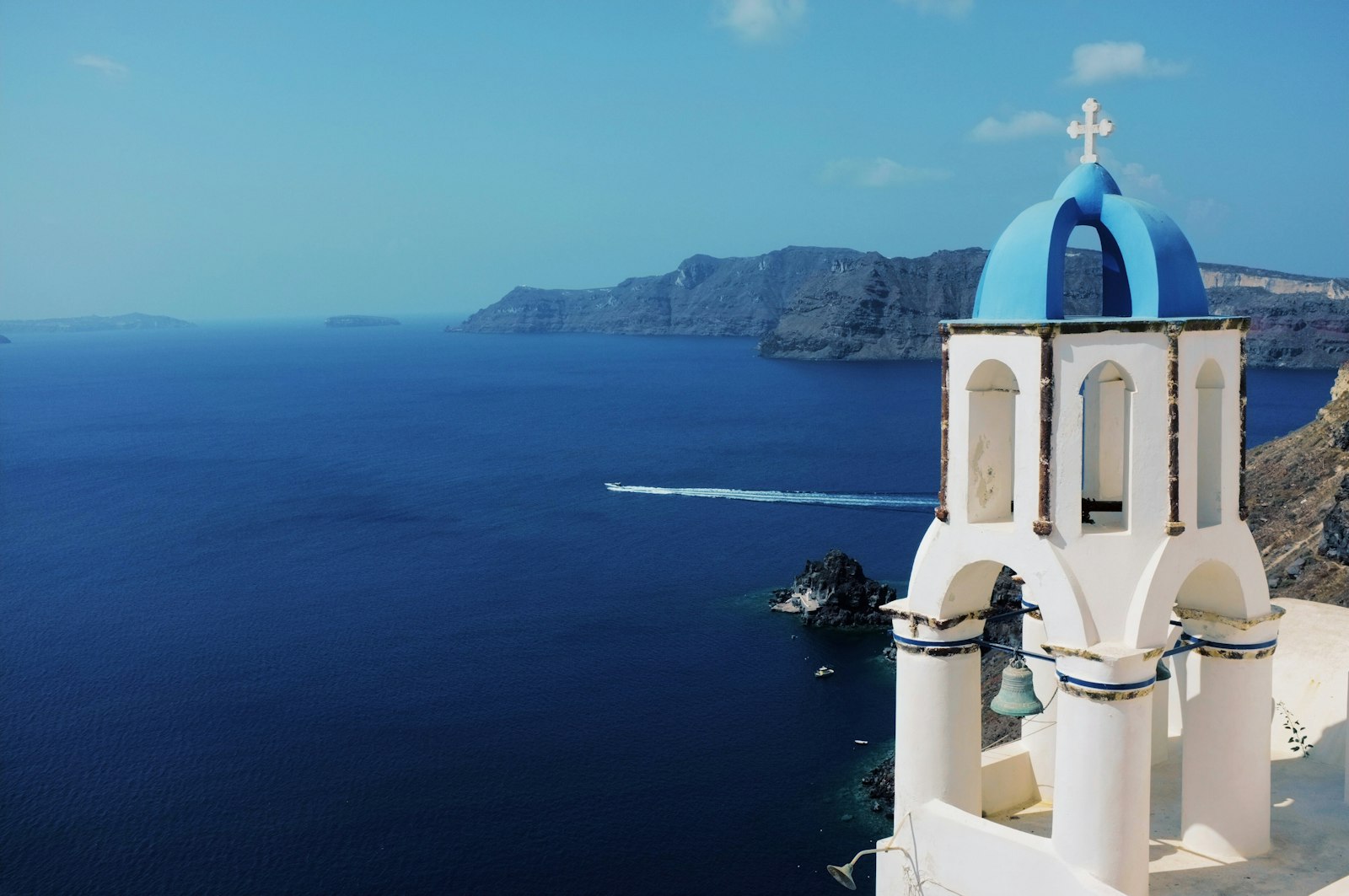
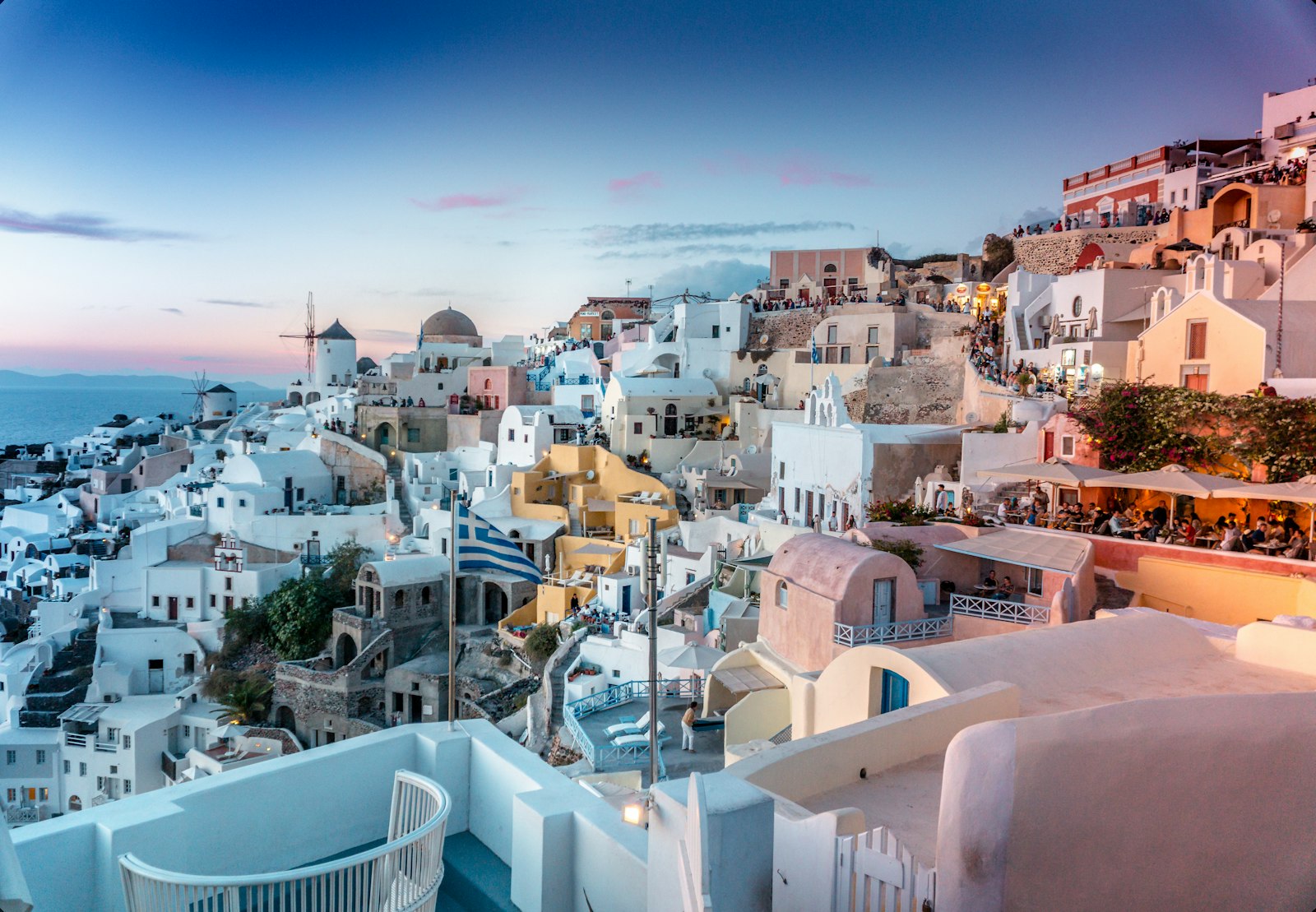
Santorini is, by any measure, one of the most visually dramatic places on earth. The island is the remnant of a catastrophic volcanic eruption that occurred some 3,600 years ago — an event so powerful it may have inspired the legend of Atlantis. What remains is a crescent-shaped caldera, its inner cliffs rising 300 metres from the Aegean, crowned by the whitewashed villages that have become shorthand for Greek island beauty. Oia, at the northern tip, draws crowds for its legendary sunsets and blue-domed churches. Fira, the capital, offers a livelier atmosphere with better shopping and nightlife. And Imerovigli — the highest point on the caldera rim — delivers the most commanding views of all, with a fraction of the foot traffic.
The luxury hotel landscape has evolved considerably from the days when converted cave houses were the only option. Grace Hotel Santorini, perched on the caldera's edge in Imerovigli, combines Cycladic architecture with a level of contemporary sophistication that feels entirely at home against the volcanic backdrop. Canaves Oia epitomises the new generation of Santorini luxury — all clean lines, infinity pools, and staff who remember your name before your second morning. The Vedema Resort in Megalochori, set in a restored medieval wine estate, offers something different entirely: a village-like retreat away from the caldera crowds, with one of the island's finest restaurants. You'll find that the best properties share a common philosophy of restraint, allowing the extraordinary natural setting to do the work.
Beyond the views and the hotels, Santorini rewards the curious traveller with genuine depth. The island's volcanic terroir produces Assyrtiko — a crisp, mineral-driven white wine that has earned a devoted international following and pairs brilliantly with the local seafood. The wineries of the interior, particularly around Pyrgos and Megalochori, offer tastings that double as architecture tours, many of them housed in centuries-old canava cellars. The archaeological site at Akrotiri reveals a remarkably preserved Minoan city buried beneath volcanic ash, often compared to Pompeii in significance if not in scale. The black-sand beaches of Perissa and Kamari provide a counterpoint to the caldera villages, and a boat trip to the volcanic islets of Nea Kameni and Palea Kameni — with their hot springs and sulphurous craters — is a vivid reminder that this landscape is still very much alive. Visit in May, June, or September to experience the island at its best, before the high-summer crowds arrive and after they depart.

Explore Santorini