Amalfi Coast
Vertiginous cliffs, pastel villages, and Michelin-starred dining — Italy's most dramatic stretch of coastline.
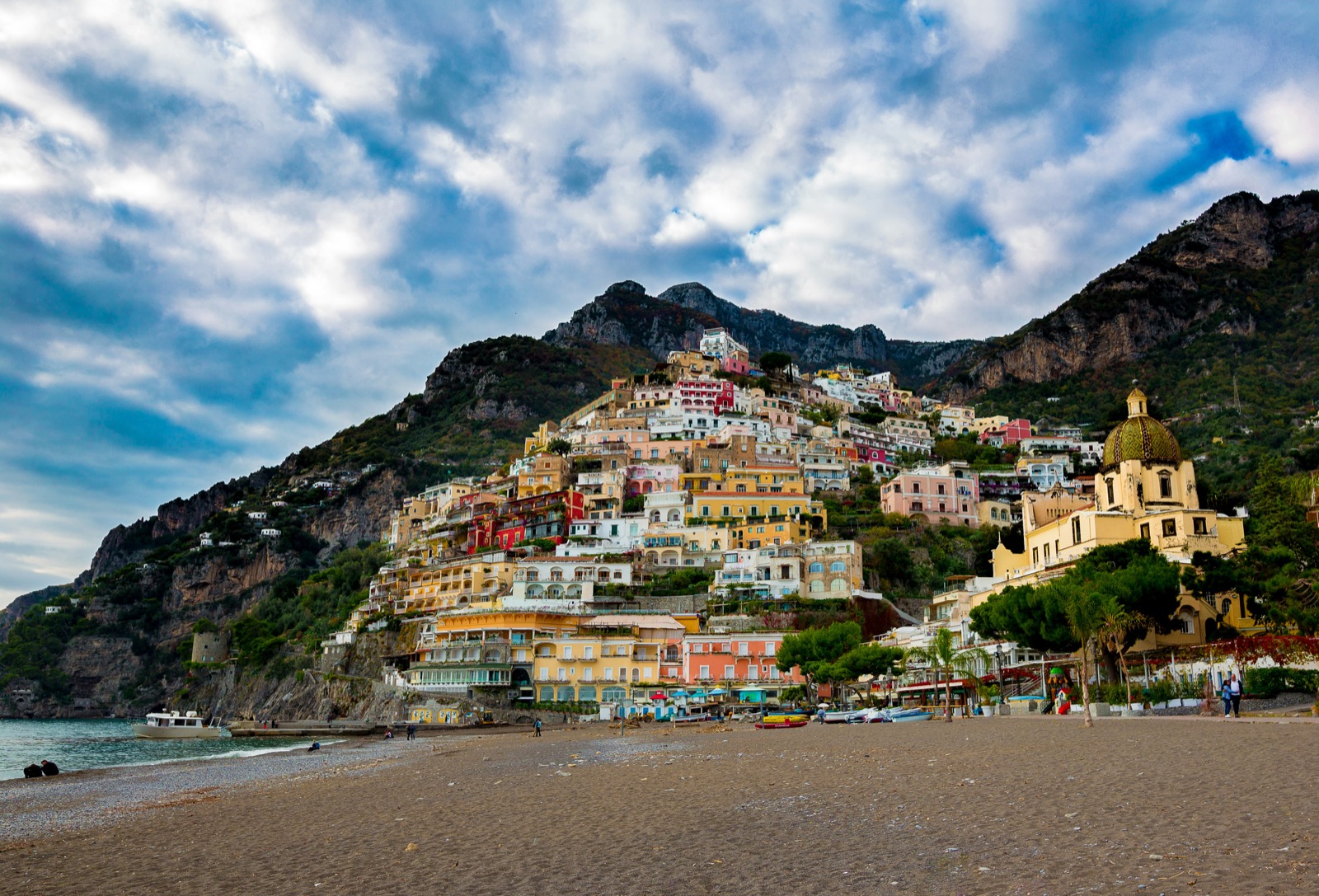
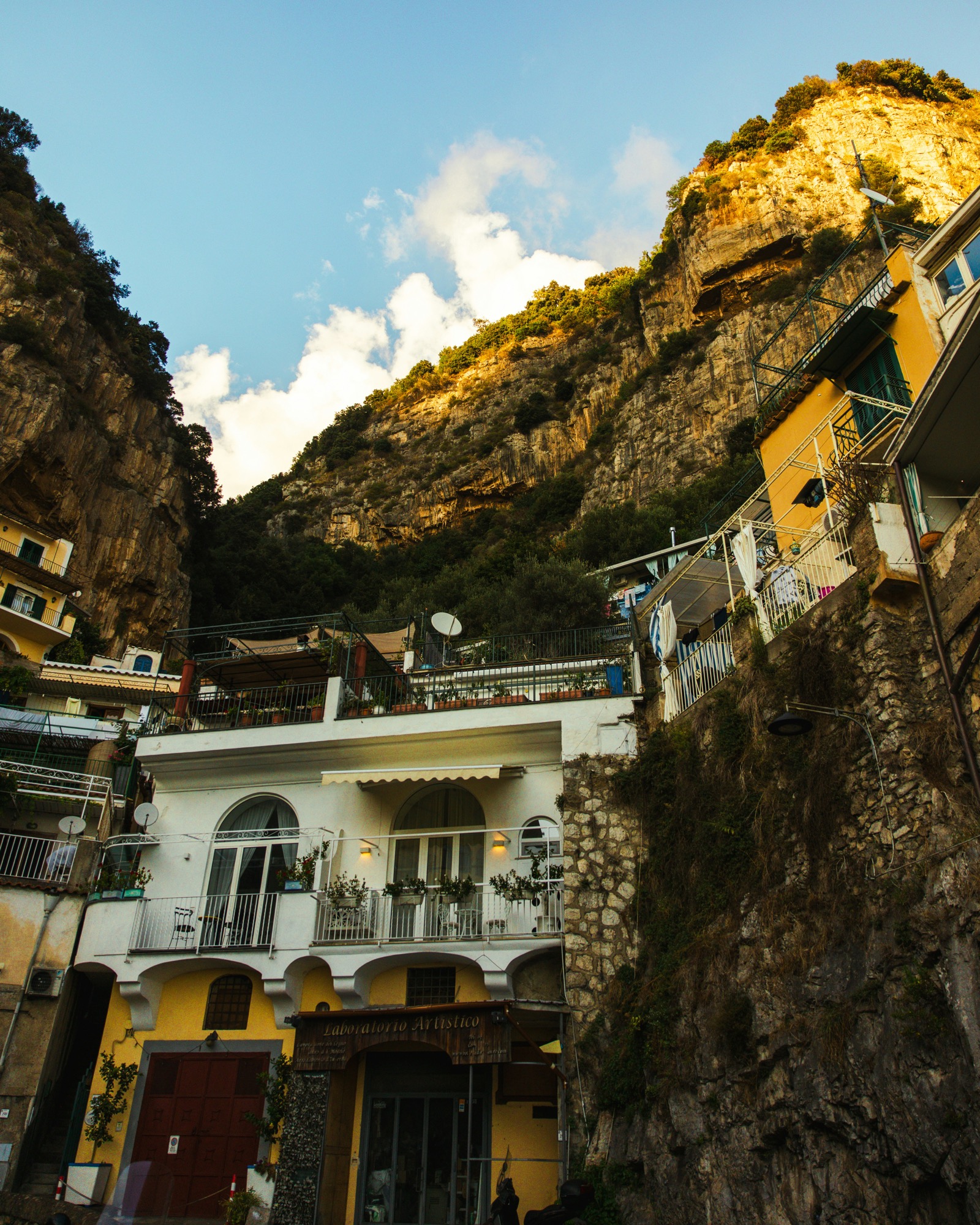
The Amalfi Coast has been drawing travellers since the days of the Grand Tour, and two centuries later the appeal remains unchanged. This UNESCO World Heritage stretch of southern Italian coastline — barely fifty kilometres from end to end — packs in more drama per metre than almost anywhere in Europe. Villages in sherbet colours cling to near-vertical cliffs above the Tyrrhenian Sea, connected by a single serpentine road that is itself one of the great driving experiences on the continent. Positano tumbles theatrically toward a grey pebble beach. Ravello sits high above it all, its famous gardens offering a vantage point that Wagner once declared the closest thing to paradise. Amalfi itself, the medieval maritime republic that gives the coast its name, anchors the centre with a cathedral whose Moorish facade hints at centuries of Mediterranean trade.
The luxury hotel scene here is intimate by necessity — the terrain simply doesn't allow for sprawling resort compounds. Belmond's Hotel Caruso in Ravello, with its infinity pool perched 300 metres above the sea, remains the most coveted address on the coast. Monastero Santa Rosa, a converted seventeenth-century monastery between Conca dei Marini and Amalfi, offers what may be the most atmospheric spa setting in all of Italy. Il San Pietro di Positano, carved into the cliff face with a private beach accessible only by lift, has cultivated a loyal following since the 1970s. You'll find that the best properties here are defined not by size or amenity count but by their relationship to the landscape — each one framing the coastline in a way that makes the view feel newly astonishing every morning.
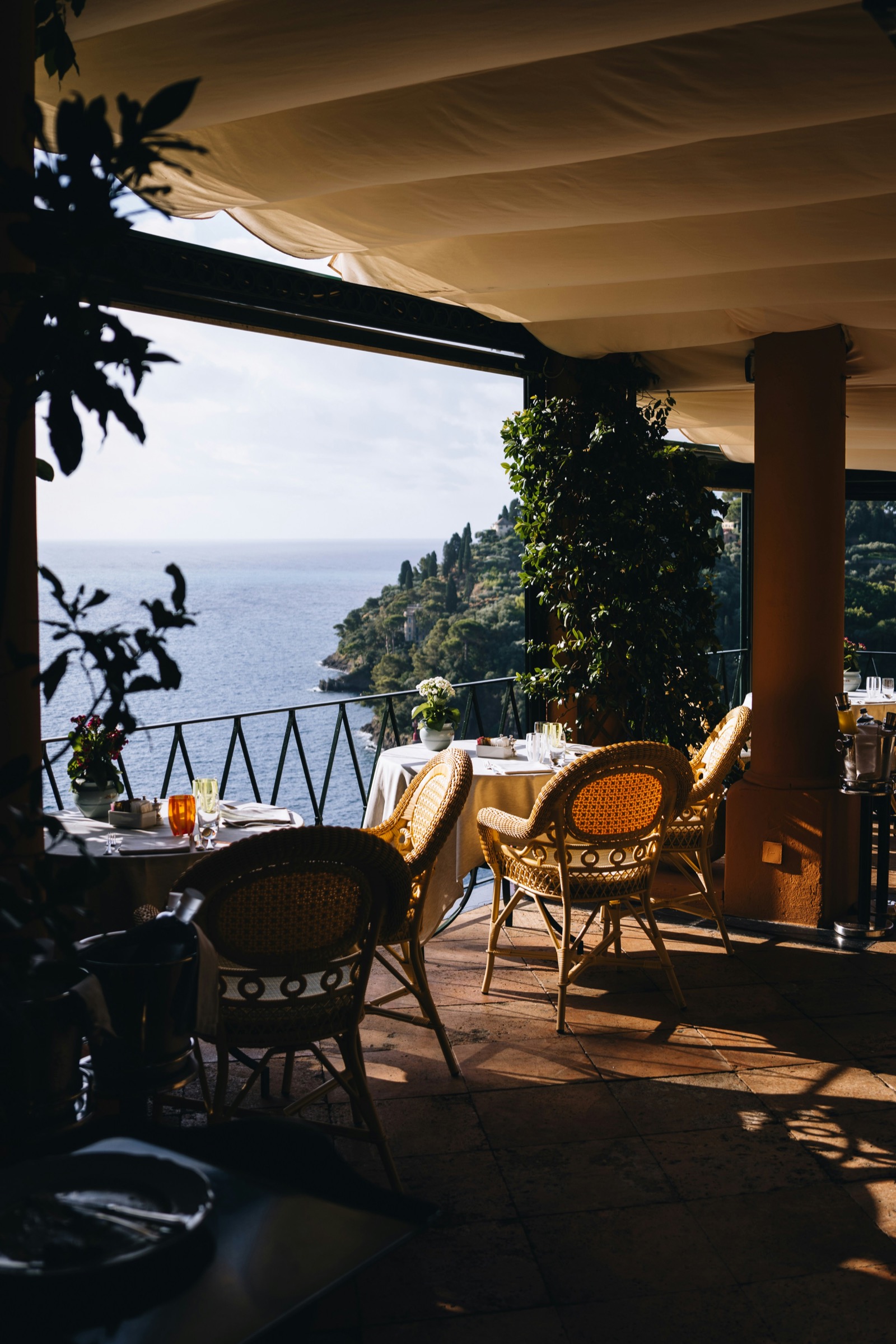
The food alone justifies the journey. This is the spiritual home of limoncello, where Amalfi lemons the size of grapefruits grow on terraced hillsides and find their way into everything from pasta sauces to granita. The seafood — particularly the anchovy preparations in Cetara and the fresh catches at beachfront restaurants in Nerano — is among the finest in the Mediterranean. Michelin-starred dining is well represented, but some of the most memorable meals happen at family-run trattorias tucked into the hillside villages. Visit between late April and mid-June or in September and early October: you'll avoid the peak summer crowds that can overwhelm the narrow streets, and the light at those times of year turns the entire coast into something that looks, quite genuinely, like a Renaissance painting.

Explore Amalfi Coast