Best Beaches in Mandurah
Mandurah's coastline runs for roughly 25 kilometres along the Indian Ocean, and for most of that distance the beaches are wide, white-sand, and significantly less crowded than anything you'll find in Perth. The water is clean and clear, the sand is fine, and the coastal dune system behind the beaches remains largely intact. In summer (December through March), water temperatures sit around 22-24°C, warm enough for comfortable swimming without a wetsuit.
The beaches here split into two categories: the sheltered estuary beaches and bays on the inland waterways, and the open ocean beaches facing the Indian Ocean. The estuary spots are calmer, shallower, and better suited to young children. The ocean beaches have more space, better surf, and the kind of long, empty stretches that make you wonder why anyone fights for towel space at Cottesloe.
Town Beach
Town Beach is Mandurah's most central swimming spot, tucked inside the estuary at the end of the boardwalk precinct. The water is calm, shallow, and sheltered from ocean swell, making it the most family-friendly option in town. A grassed foreshore with barbecues, shade structures, and a playground sits directly behind the sand.
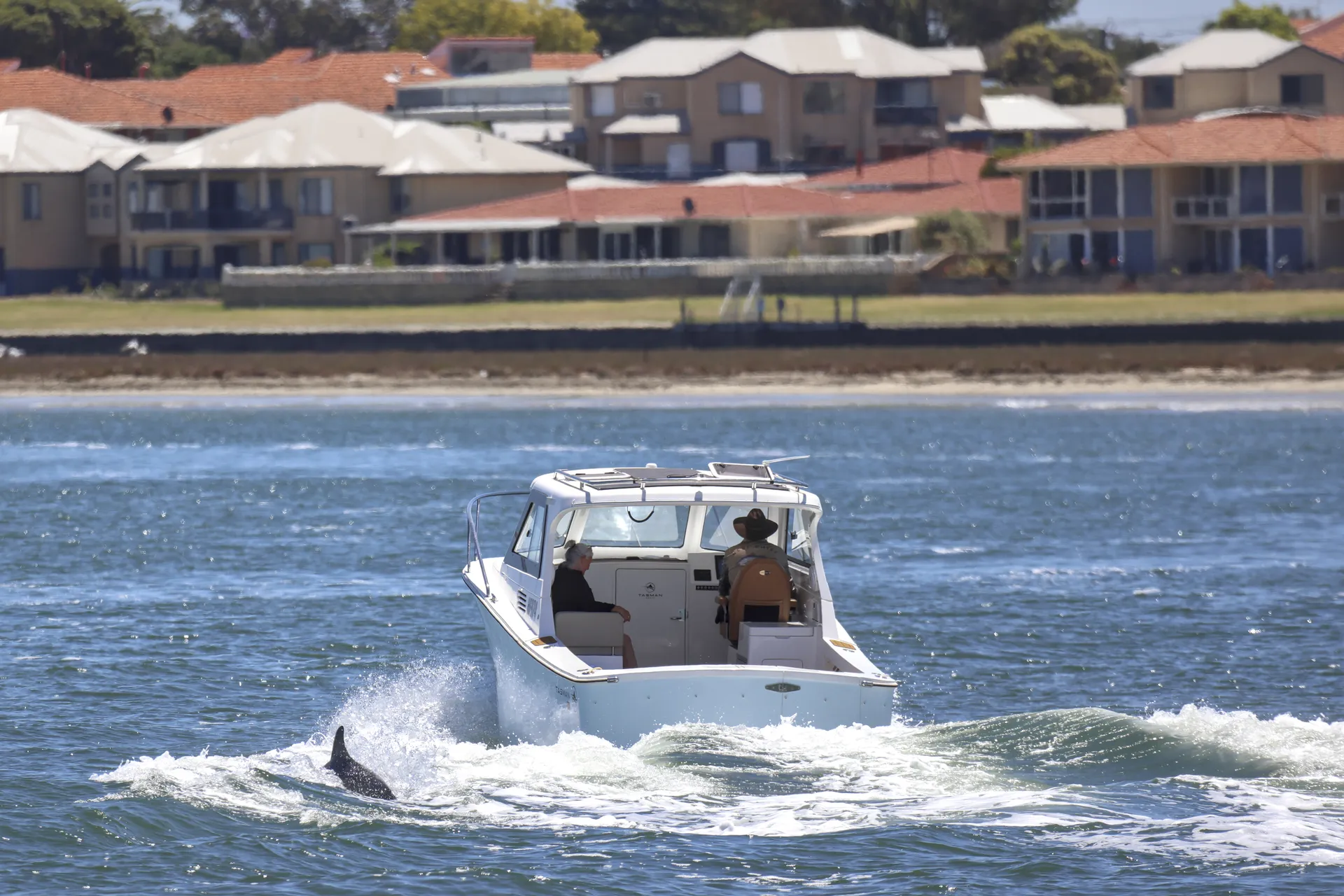
The beach faces the estuary rather than the open ocean, so the water is warmer and flatter than the surf beaches further south. Dolphins regularly pass through the channel here, and spotting them from the shore while swimming is a genuine possibility rather than a marketing promise. The boardwalk restaurants and cafes are a two-minute walk away.
Town Beach works best as a convenient swim rather than a destination beach day. The setting is pleasant, the facilities are good, and the proximity to the town centre means you can combine a morning swim with lunch on the boardwalk without moving the car.
- Crowd level: Moderate. Busiest on summer weekends
- Facilities: Full. Barbecues, playground, toilets, showers, shade
- Best for: Families, a quick swim before or after lunch in town
Silver Sands Beach
Three kilometres south of the town centre, Silver Sands is Mandurah's best all-round ocean beach. The sand is white and fine, the beach is wide, and the swimming area between the flags is patrolled by surf lifesavers during summer. A gentle slope into the water makes it accessible for most swimmers, though the ocean conditions here are more variable than the estuary beaches.
The beach has a large car park, toilets, and a seasonal kiosk. The dunes behind the beach are well preserved and a walking trail runs along the coast in both directions. On calm days, the water is clear and the swimming is excellent. When the swell picks up, bodyboarders and casual surfers make use of the shore break.
Silver Sands is the beach to head for when you want a proper ocean swim with good facilities and enough space to spread out. Even on the busiest summer days, the length of the beach absorbs the numbers comfortably.
- Crowd level: Moderate. Plenty of space even in peak season
- Facilities: Car park, toilets, seasonal kiosk, surf lifesaving patrol
- Best for: Ocean swimming, bodyboarding, a full beach day
Halls Head Beach
South of Silver Sands, Halls Head is a long, exposed ocean beach backed by low dunes and residential streets. The beach is less developed than Silver Sands, with fewer facilities but more space and a wilder, more open feel. The sand is the same fine white variety, and the swimming is good in calm conditions.
The southern end of Halls Head, approaching Falcon, is particularly quiet. Long sections of beach see very few visitors even in summer, and the coastal walking trail that connects the beaches provides a pleasant route between them. The views south toward the Dawesville Channel and the distant headlands are worth the walk alone.
Halls Head suits travellers who prefer a quieter, less serviced beach experience. Bring water, sun protection, and a towel, and expect to have a generous stretch of sand largely to yourself.
- Crowd level: Low. The further south, the emptier it gets
- Facilities: Basic. Car park and toilets at the main access points
- Best for: Long walks, quiet swimming, escaping the crowds
Falcon Bay
Falcon Bay is a small, north-facing cove that sits between Halls Head and the Dawesville Channel. The northerly aspect shelters it from the prevailing south-westerly winds, creating conditions that are noticeably calmer than the open beaches nearby. The result is a protected swimming spot with gentle water and a relaxed, local atmosphere.
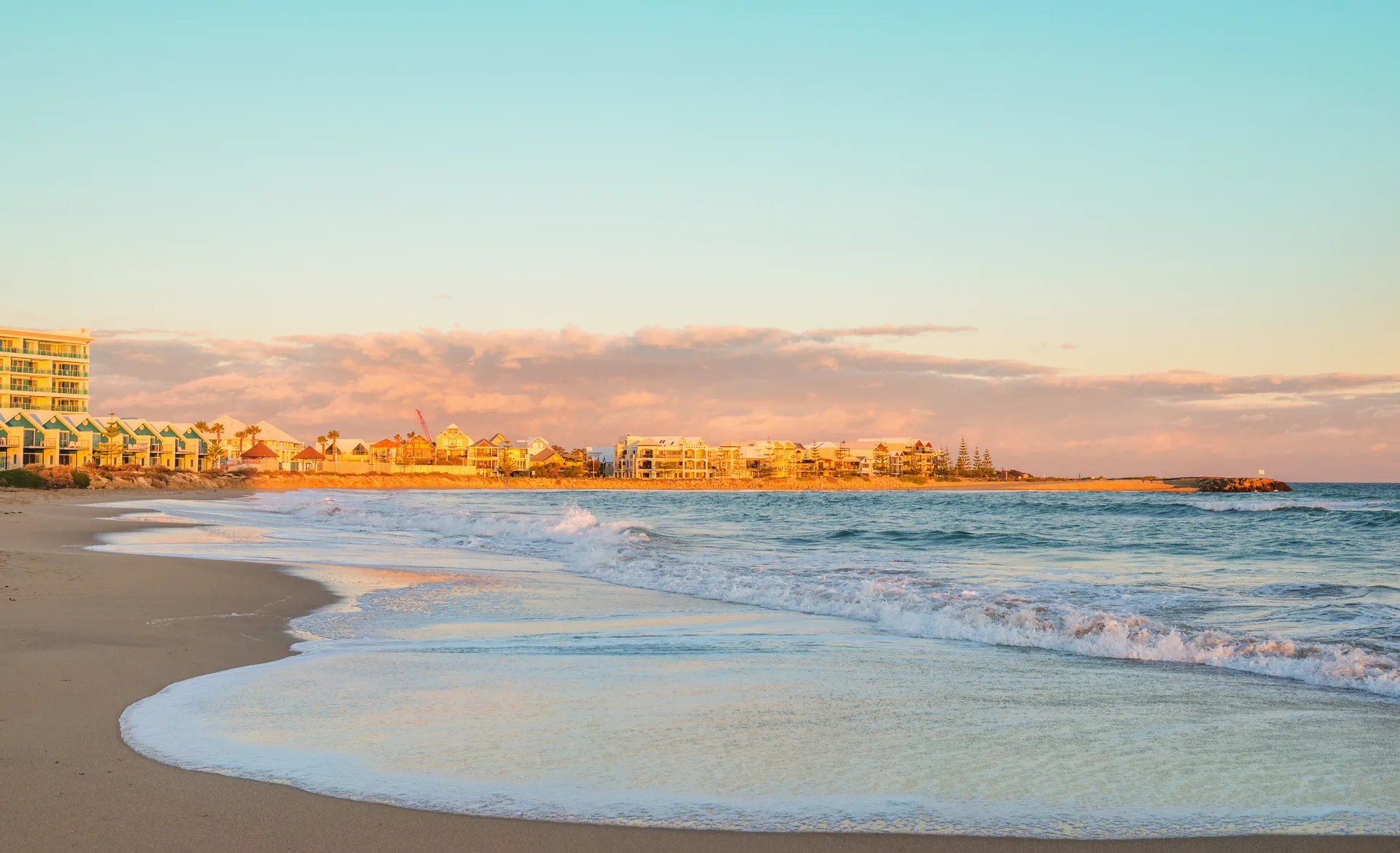
The beach is compact, with coarse sand and a grassed reserve behind it. A small car park and basic facilities serve the bay. The shallow water and calm conditions make Falcon Bay one of the best swimming spots in Mandurah for families with young children. The bay also faces west, catching the afternoon sun and producing good sunset views across the Indian Ocean.
- Crowd level: Low to moderate. A local favourite rather than a tourist beach
- Facilities: Basic. Car park, toilets, grassed reserve with shade
- Best for: Families with young children, sheltered swimming, sunset watching
Dawesville Beach (The Cut)
The Dawesville Channel, known locally as "The Cut", is an artificial channel connecting the Peel-Harvey Estuary to the Indian Ocean. The beach on the ocean side of the channel is a popular spot for fishing, walking, and watching the tidal flows that move through the narrow opening. The water here moves fast and swimming in the channel itself is dangerous, but the beach on either side offers good ocean swimming when conditions are calm.
The real draw is the spectacle of the channel. The tidal exchange creates visible currents, and dolphins frequently ride the flows in and out of the estuary. The rock walls lining the channel provide good vantage points. The beach south of the channel stretches toward Bouvard and becomes progressively emptier, offering some of the most remote coastal walking accessible from Mandurah.
- Crowd level: Low. Popular with fishers and walkers rather than swimmers
- Facilities: Car park, toilets, walking trails along the channel
- Best for: Walking, fishing, wildlife watching, photography
Tim's Thicket Beach
South of the Dawesville Channel, Tim's Thicket is a remote, 4WD-accessible beach that sits well beyond the reach of casual visitors. The beach is long, wild, and almost entirely undeveloped. Access requires a vehicle with reasonable clearance (4WD recommended) and a willingness to drive on sand tracks through coastal bushland.
The payoff is solitude. Tim's Thicket on a weekday is as empty as any beach in the Perth metropolitan region. The sand is firm and clean, the water is clear, and the lack of development means the dune system and coastal vegetation are in near-pristine condition. Fishing is popular here, and the reef structures offshore produce good catches.
This is not a beach for a casual swim. There are no facilities, no patrol, and no mobile phone coverage in parts. Bring everything you need, tell someone where you're going, and respect the conditions. For experienced beachgoers comfortable with remote coastal environments, Tim's Thicket is the most rewarding stretch of coast in the Mandurah area.
- Crowd level: Very low. Often empty on weekdays
- Facilities: None. 4WD access only, no services
- Best for: Experienced beachgoers, fishers, anyone seeking genuine solitude
Estuary Foreshore Beaches
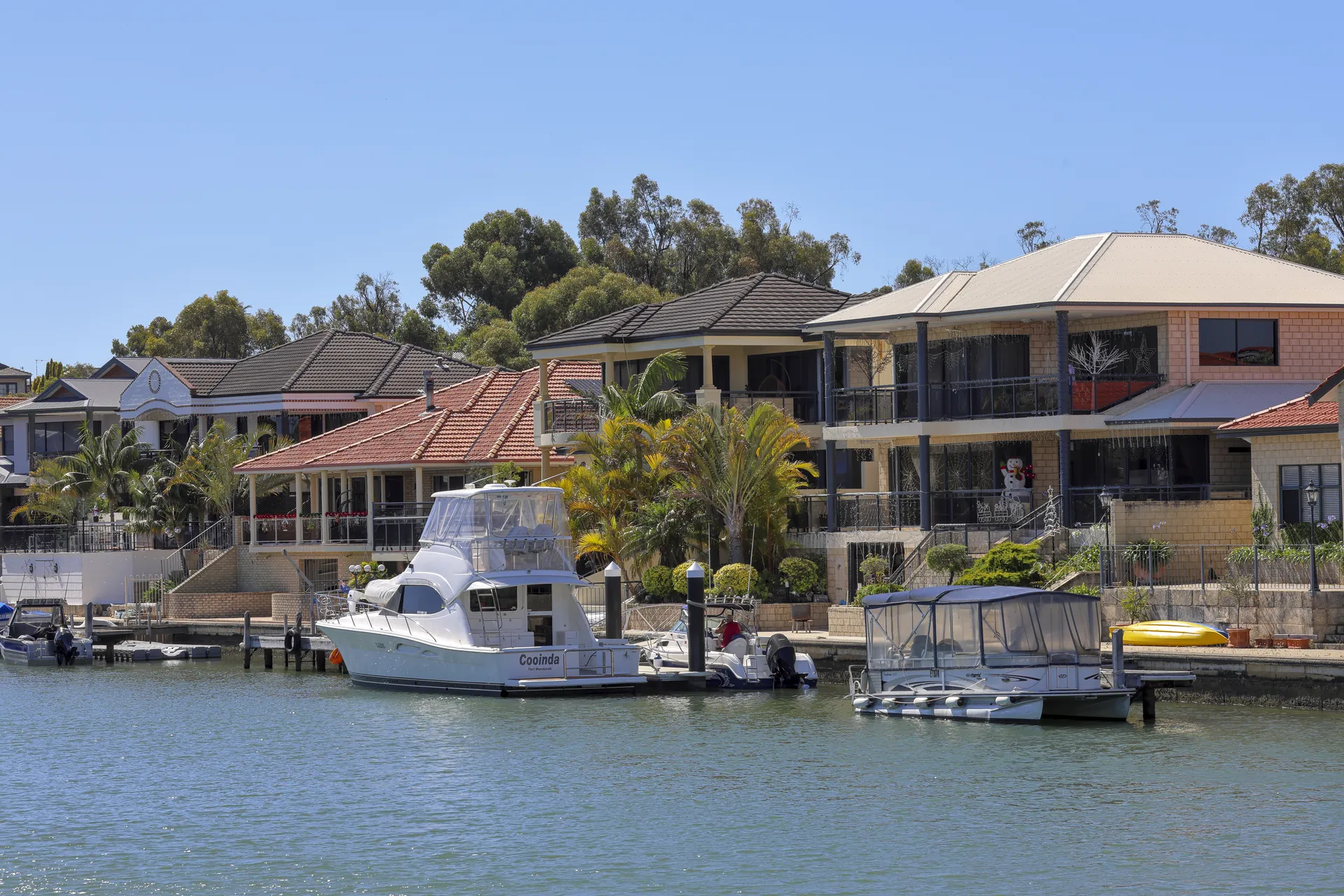
The Peel-Harvey Estuary, the large body of sheltered water behind Mandurah's ocean coastline, has several small sandy foreshores suitable for wading, kayaking, and gentle swimming. These aren't beaches in the traditional sense, but for travellers staying on the canals, the estuary foreshore provides calm, warm water within walking distance of most accommodation.
The water is shallow and still, the bottom is generally sandy, and the setting, with birdlife, canal boats, and the occasional dolphin, is pleasant. The Eastern Foreshore in the town centre is the most accessible, with parkland, barbecues, and views across to the marina.
Practical Tips
Swim between the flags. Silver Sands and Town Beach are patrolled by volunteer surf lifesavers during summer (generally October to April). The ocean beaches can have rip currents, particularly after storms or on days with significant swell. If in doubt, ask the lifesavers.
Sun protection is essential. Western Australia's UV index is among the highest in the world. Even on overcast days, sunburn happens quickly. Apply sunscreen before you leave, reapply after swimming, and consider a rashie or UV shirt for extended time in the water.
The best months for beach weather are November through March. Water temperatures peak in February at around 24°C. April and October are pleasant but cooler. Winter (June to August) brings storms, cooler water (17-19°C), and rougher conditions on the ocean beaches, though the estuary remains swimmable year-round.
Bring your own supplies to the quieter beaches. Outside of Silver Sands and Town Beach, facilities are limited. Water, shade (a beach shelter or umbrella), and snacks are worth packing for a day at Halls Head, Falcon Bay, or anywhere south of the Dawesville Channel.
Mandurah's beaches lack the dramatic cliff backdrops of the Amalfi Coast or the volcanic geology of Santorini. What they offer instead is space, clean water, and the rare luxury of a coastline that hasn't been overwhelmed by tourism. On a Tuesday morning in January, with the Indian Ocean flat and glassy and the nearest person a distant speck on the sand, the appeal is self-evident.