Things to Do in the Maldives
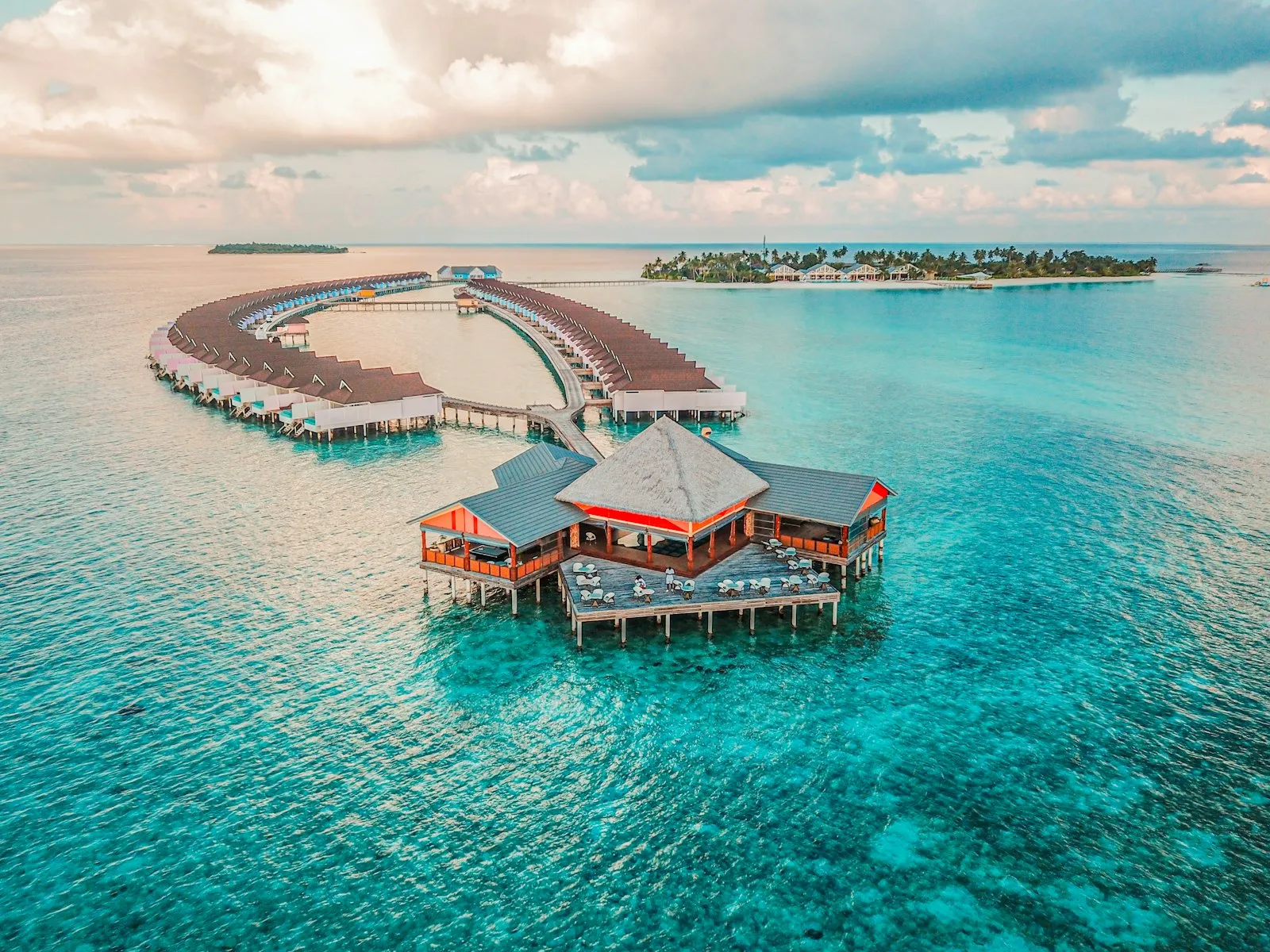
The Maldives has a reputation as a destination where the itinerary is simple: lie on the beach, swim in the lagoon, repeat. That reputation is half right. Many visitors come precisely to do nothing, and the resorts are built to make doing nothing feel like an achievement. But treating the Maldives as purely a place to switch off overlooks what may be the finest concentration of marine experiences on the planet, along with a handful of activities that justify leaving your villa deck.
The practical reality shapes everything. Each resort occupies its own island, so almost every activity either happens on your island, in the water around it, or via a boat trip arranged through the resort. There is no independent excursion market to speak of, no wandering into town to book a cheaper tour. That makes the resort's activities programme a meaningful part of choosing where to stay, and it makes understanding what's worth doing, and what's worth paying for, especially useful before you arrive.
Beneath the Surface
The single best reason to travel to the Maldives, beyond the obvious appeal of the beaches, is what happens underwater. The atolls sit in some of the richest marine territory in the Indian Ocean, and the range of encounters available within a short boat ride of most resorts is exceptional.
Snorkelling the House Reef
Most resort islands are ringed by their own house reef, a coral wall that drops away into deeper water and that you can reach by wading or swimming directly from the beach. The quality varies enormously. Some house reefs are tired and bleached; others are dense with parrotfish, snapper, reef sharks, and turtles. This is worth researching before booking, because a strong house reef means world-class snorkelling on tap at no extra cost, while a poor one turns every decent snorkel into a paid boat excursion.
Where the house reef is good, you can be face to face with a hawksbill turtle or a blacktip reef shark within minutes of leaving your villa. Early morning, before the day's boat traffic and before other guests are in the water, tends to offer the clearest visibility and the most active fish.
Diving
The Maldives is one of the world's premier dive destinations, and its appeal spans experience levels. Beginners can complete a resort course and reach open water in a few days; certified divers will find drift dives, channel dives, and wreck sites of real quality. Nearly every resort operates a PADI dive centre on the island.
The signature encounters are the big ones. Manta rays gather at cleaning stations and feeding aggregations, and Hanifaru Bay in Baa Atoll, a UNESCO Biosphere Reserve, is among the most reliable places on earth to see dozens of mantas feeding together during the southwest monsoon. Whale sharks, the largest fish in the sea, cruise the atolls year-round, with South Ari Atoll the most consistent area for sightings. A single boat trip that puts you in the water alongside a whale shark is, for many divers and snorkellers, the highlight of the entire trip.
Expect to pay roughly USD 70 to 120 per dive including equipment, with multi-dive packages reducing the per-dive cost. Manta and whale shark excursions are typically priced separately at USD 150 to 250 per person. Timing matters: which side of the atoll the mantas favour changes with the monsoon, so the best time to visit is worth aligning with the marine life you most want to see.
Night Snorkelling and Bioluminescence
After dark, the reef changes character. Night snorkelling reveals hunting moray eels, sleeping parrotfish wrapped in their mucus cocoons, and rays gliding across the sand. Several resorts run guided night snorkels with underwater torches.
Separately, certain beaches and lagoons occasionally light up with bioluminescent plankton, the so-called "sea of stars" effect, where each footstep or wave stirs a blue glow in the water. It is unpredictable and impossible to guarantee, tied to plankton blooms and darker moon phases, but when it appears it is unforgettable.
On and Above the Water
Sandbank and Private Island Excursions
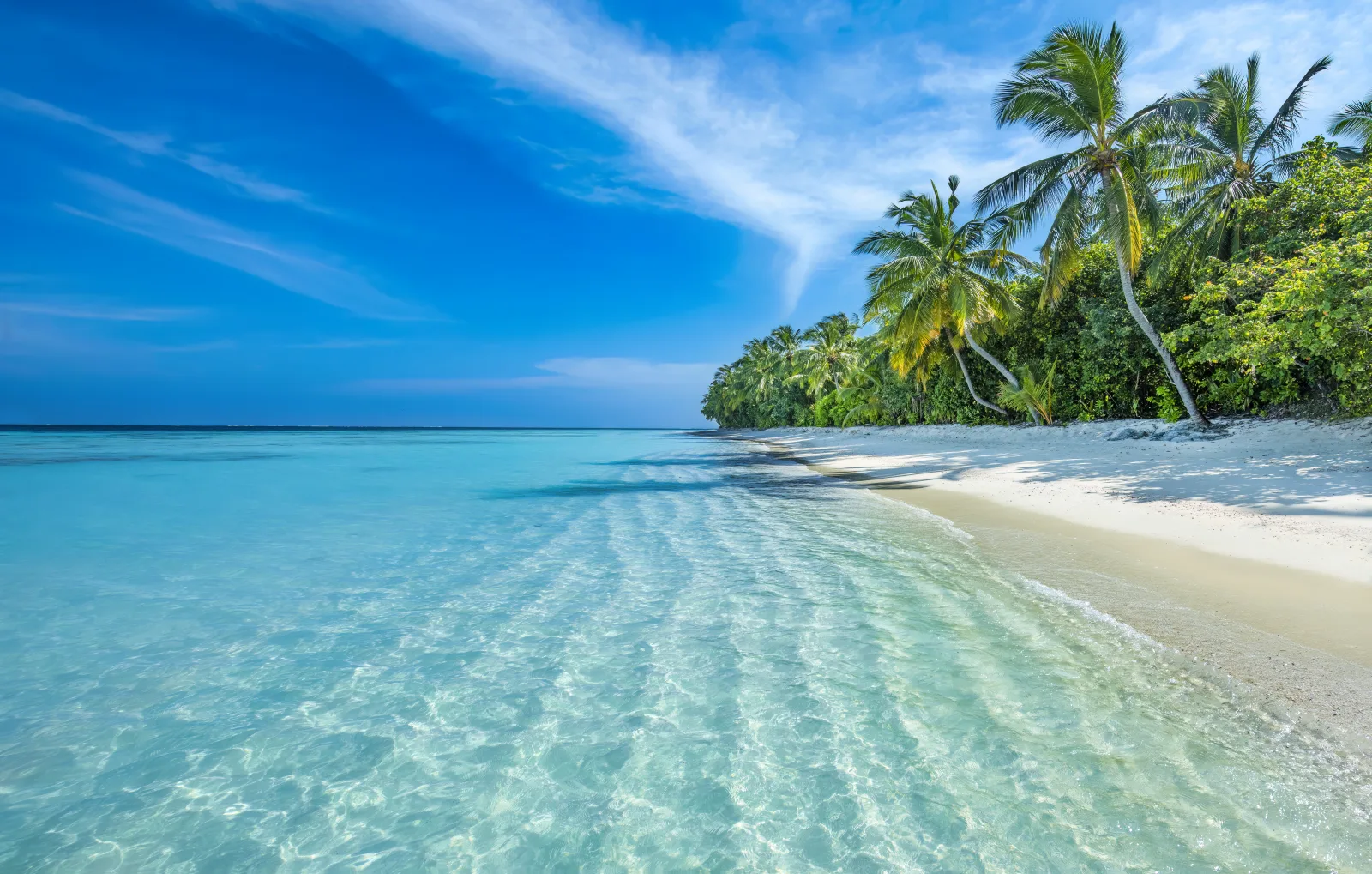
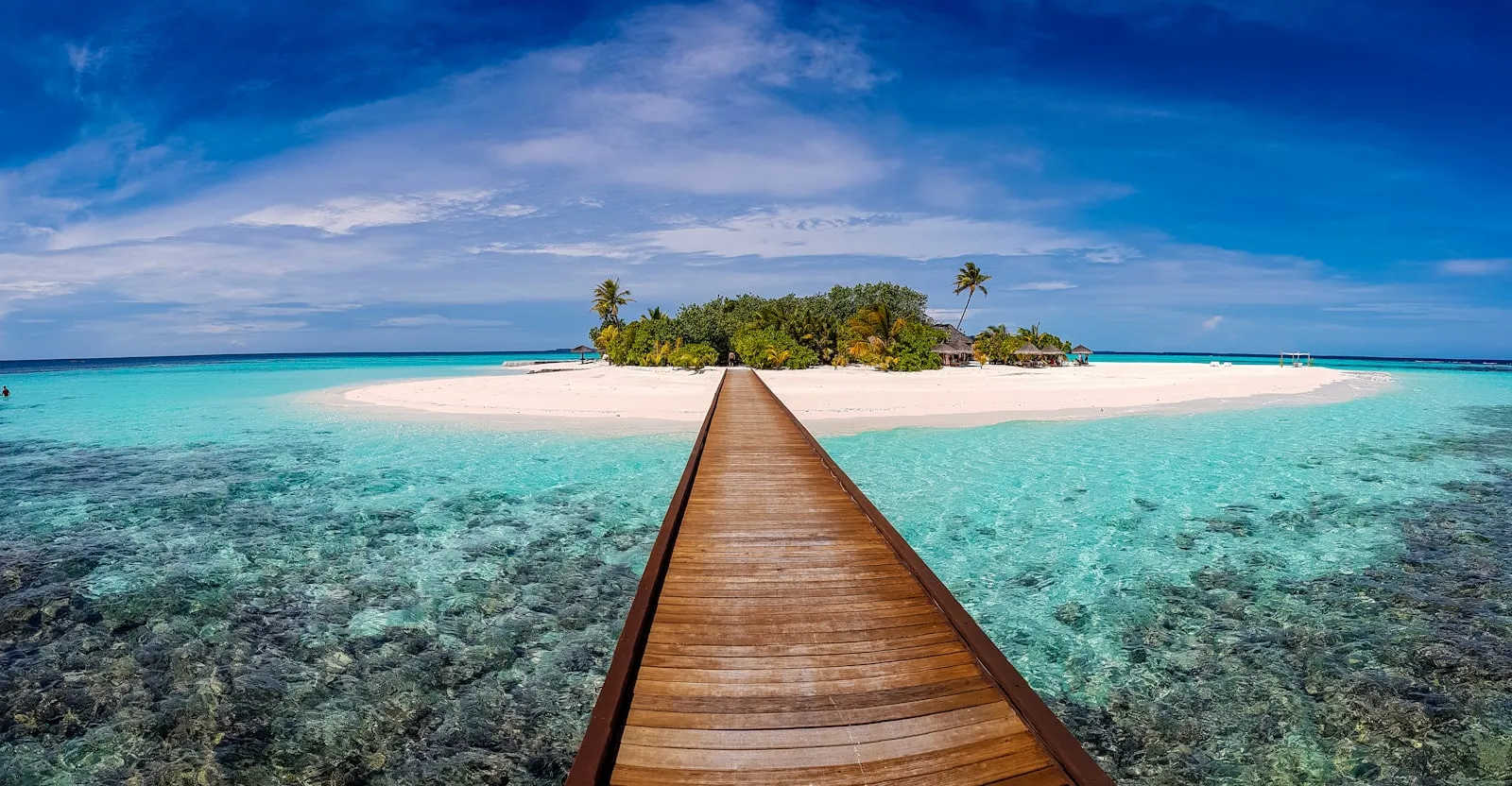
One of the most requested experiences in the Maldives is a trip to a deserted sandbank: a bare crescent of white sand in the middle of the ocean, with nothing on it but you. Resorts arrange sandbank drop-offs with a picnic hamper, a parasol, and a pickup time, leaving couples entirely alone on their own temporary island. It is the kind of set piece the destination does better than anywhere, and it photographs accordingly.
Prices range from around USD 200 for a simple drop-off to well over USD 1,000 for an elaborate private dining experience with a chef and butler. For honeymooners, it is frequently the splurge that earns its cost.
Seaplane Scenic Flights
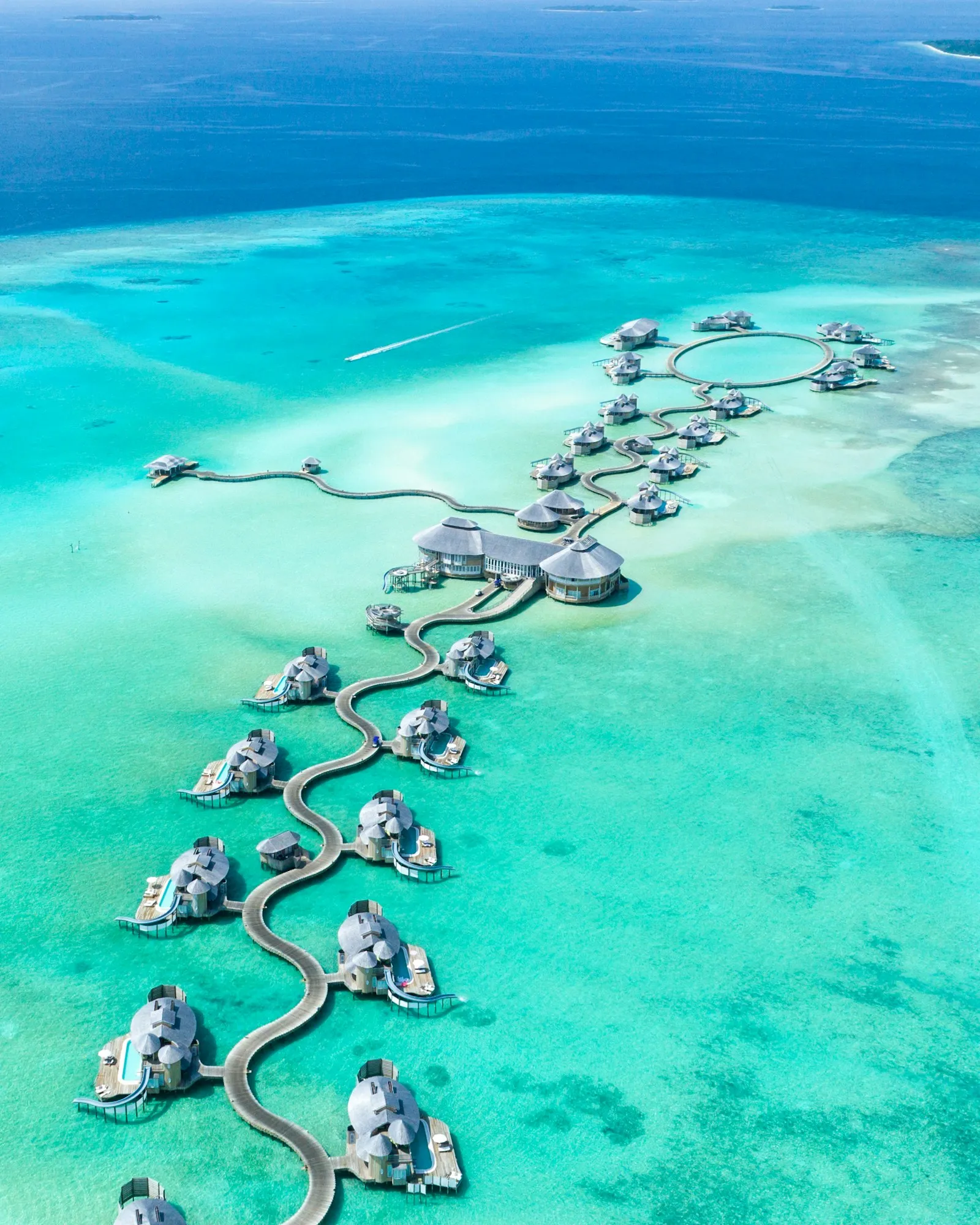
The transfer to remote resorts already involves a seaplane, and the aerial view of the atolls, rings of reef enclosing lagoons in a dozen shades of blue, is one of the great sights of any journey. Some resorts and operators offer dedicated scenic flights for those who want the perspective without the transfer, though most travellers find the standard seaplane transfer delivers the view anyway. If your resort requires a seaplane, request a window seat.
Surfing
The Maldives has a genuine surf scene, concentrated in the Malé atolls and the southern atolls, with a season running roughly March to October when the southwest swells arrive. Several resorts sit within reach of quality reef breaks, and a few, such as the Four Seasons at Kuda Huraa, have built their identity partly around surf access with dedicated surf guides and boat transfers to the breaks. The waves are warm-water reef breaks, better suited to intermediate and advanced surfers than to beginners.
Fishing
Traditional Maldivian sunset fishing trips are a low-key, widely available excursion: a local dhoni boat, handlines rather than rods, and the chance to catch snapper or grouper as the light fades, sometimes with the resort's kitchen cooking your catch for dinner. Bigger-game sport fishing is also available at some resorts for those after trevally, tuna, or sailfish. The sunset dhoni trip is the more atmospheric option and a pleasant evening even for those with no interest in fishing.
On the Island
Spa Treatments
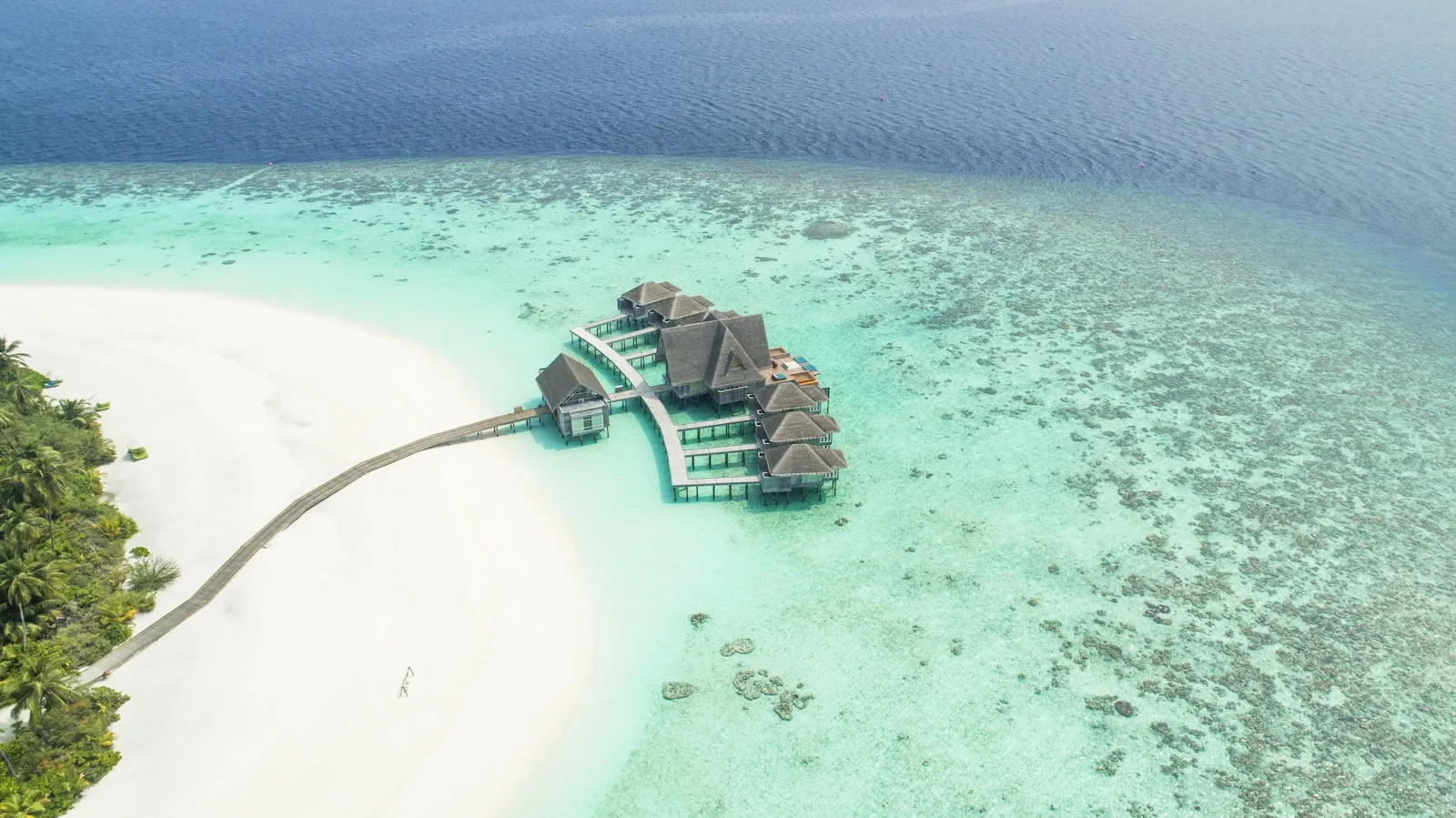
The Maldivian spa is not an afterthought. Many resorts have built signature spa experiences that rank among the destination's highlights, several of them in overwater or underwater treatment rooms where you watch the reef through a glass floor during a massage. Huvafen Fushi pioneered the underwater treatment room; numerous resorts now offer overwater pavilions where the only sound is water moving beneath the floor.
Treatments are not cheap, often USD 200 to 400 for a signature ritual, but the setting is part of the product in a way it rarely is elsewhere. For couples, a side-by-side treatment in an overwater pavilion is an easy recommendation.
Dining Experiences
Food in the Maldives goes well beyond the buffet, and the standout dining setups are experiences in their own right. Underwater restaurants, where you eat surrounded by an aquarium-like view of the reef, exist at a handful of resorts and remain a genuine novelty despite the premium prices. Beyond those, resorts stage private beach dinners, wine cellars set below the waterline, and tasting menus from serious kitchens. The best restaurants guide covers where the cooking justifies the setting, and many properties fold these experiences into all-inclusive plans worth understanding before you book.
Stargazing
With no light pollution for miles, the night sky over the atolls is spectacular. Soneva Fushi built an overwater observatory with a resident astronomer and a serious telescope; other resorts offer guided stargazing sessions or simply hand you a star map and point you toward the sandbank. On a clear, moonless night, the Milky Way is vivid to the naked eye. It costs nothing and asks nothing of you, which after a few days in the Maldives feels about right.
Excursions Beyond the Resort
Local Island Visits
For all the private-island seclusion, the Maldives is a living country of roughly half a million people, and a growing number of resorts offer visits to inhabited local islands. These trips provide a glimpse of Maldivian daily life, a small mosque, a fish market, a handful of cafés and souvenir shops, and a useful reminder that the country exists beyond the resort bubble. Modest dress is required (shoulders and knees covered) out of respect for local custom, and alcohol is not served on inhabited islands outside dedicated tourist zones.
Malé
Travellers with a spare day at the start or end of a trip, particularly those overnighting near the airport before a seaplane transfer, can explore the capital. Malé is one of the most densely populated cities in the world, crammed onto a small island, and it offers a busy fish market, the coral-stone Old Friday Mosque, and the national museum. It is not the reason anyone comes to the Maldives, but it makes an interesting half-day for those with the time.
Planning Your Days
The honest guidance is to under-schedule. The pace of the Maldives works against a packed itinerary, and part of the value of paying for a private island is the licence it gives you to do very little. A realistic week might involve two or three signature excursions, a manta or whale shark trip, a sandbank picnic, perhaps a dive course or a surf session, with the remaining days left open for the house reef, the spa, and the beach.
Book the marquee excursions, especially the marine ones that depend on season and conditions, soon after arrival rather than leaving them to the last day, since weather can cancel a trip and you'll want a second chance at it. Beyond that, resist the urge to fill every hour. Choose the right island for the activities that matter to you, line the trip up with the best time to visit, and let the days find their own rhythm.

More from Maldives